Magnificent Meadows: Haymaking Week
Monday 20 July: Traditional Skills Begin at Diamond Wood
We were delighted to welcome volunteers from Andover Trees United and CPRE Hampshire to Diamond Wood for the start of our Magnificent Meadows Haymaking Week!
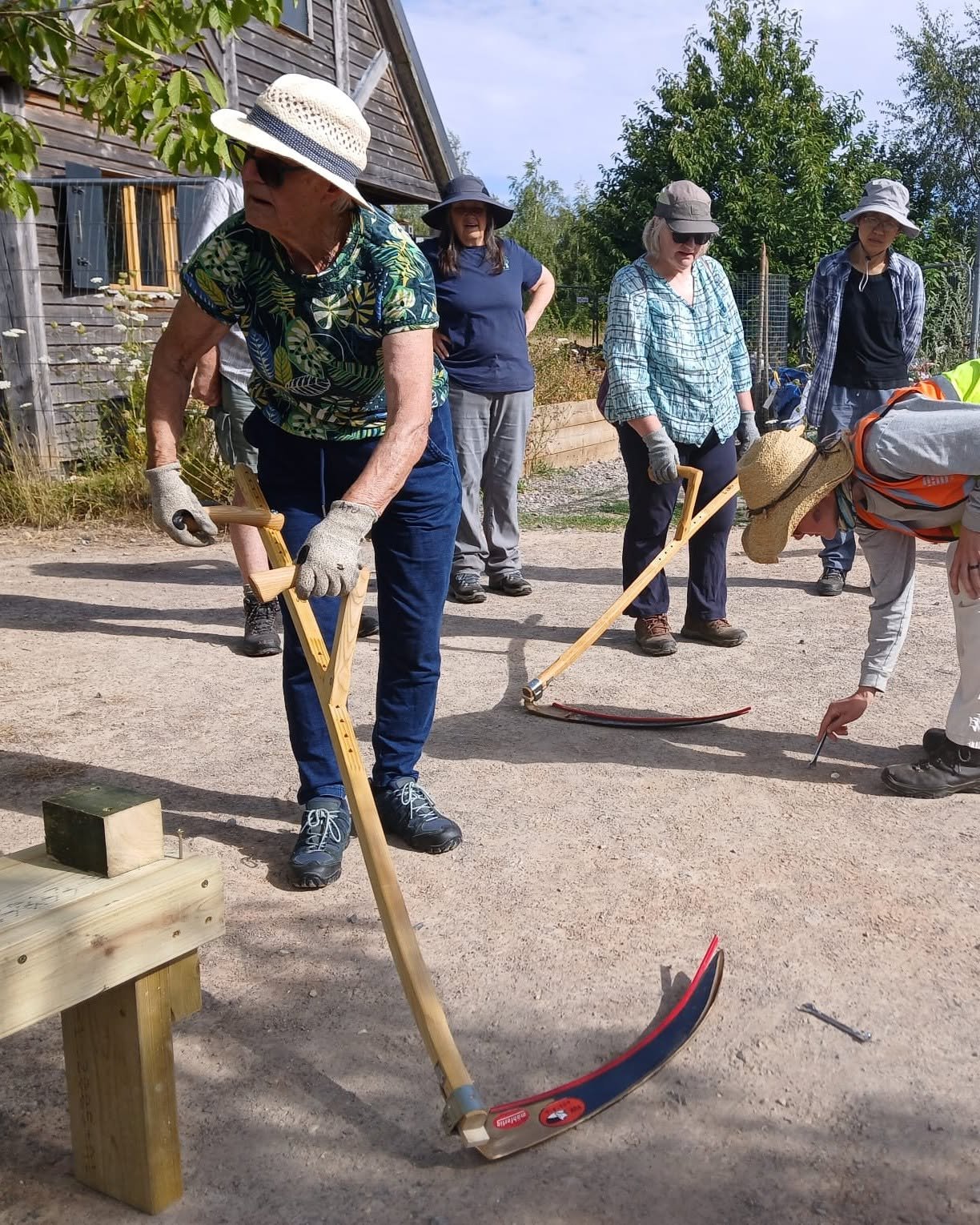
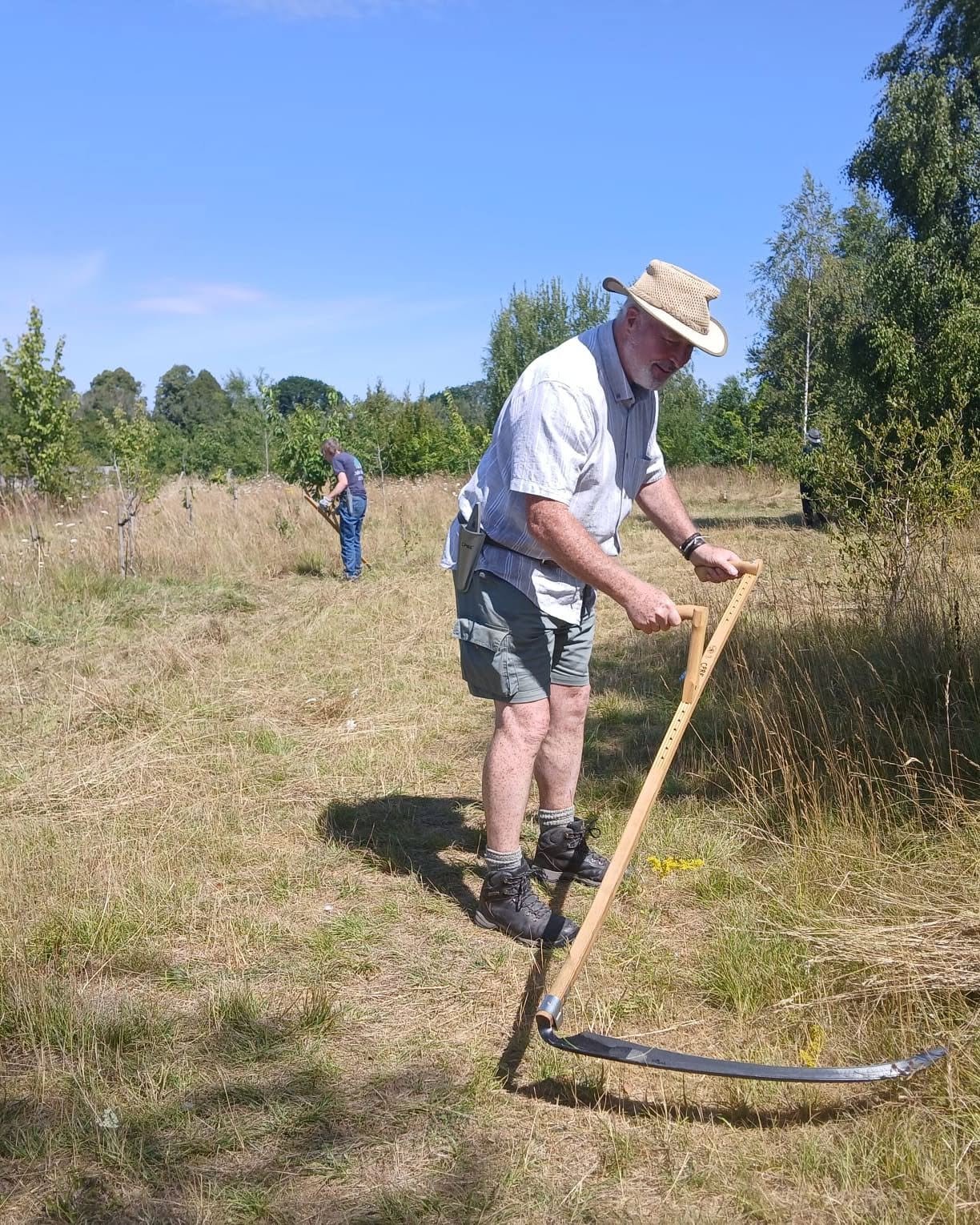
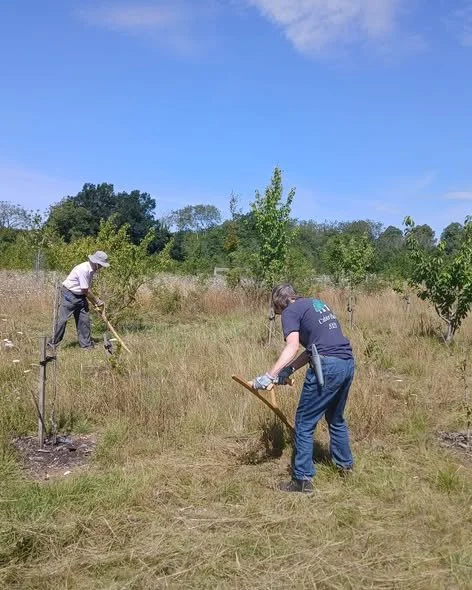
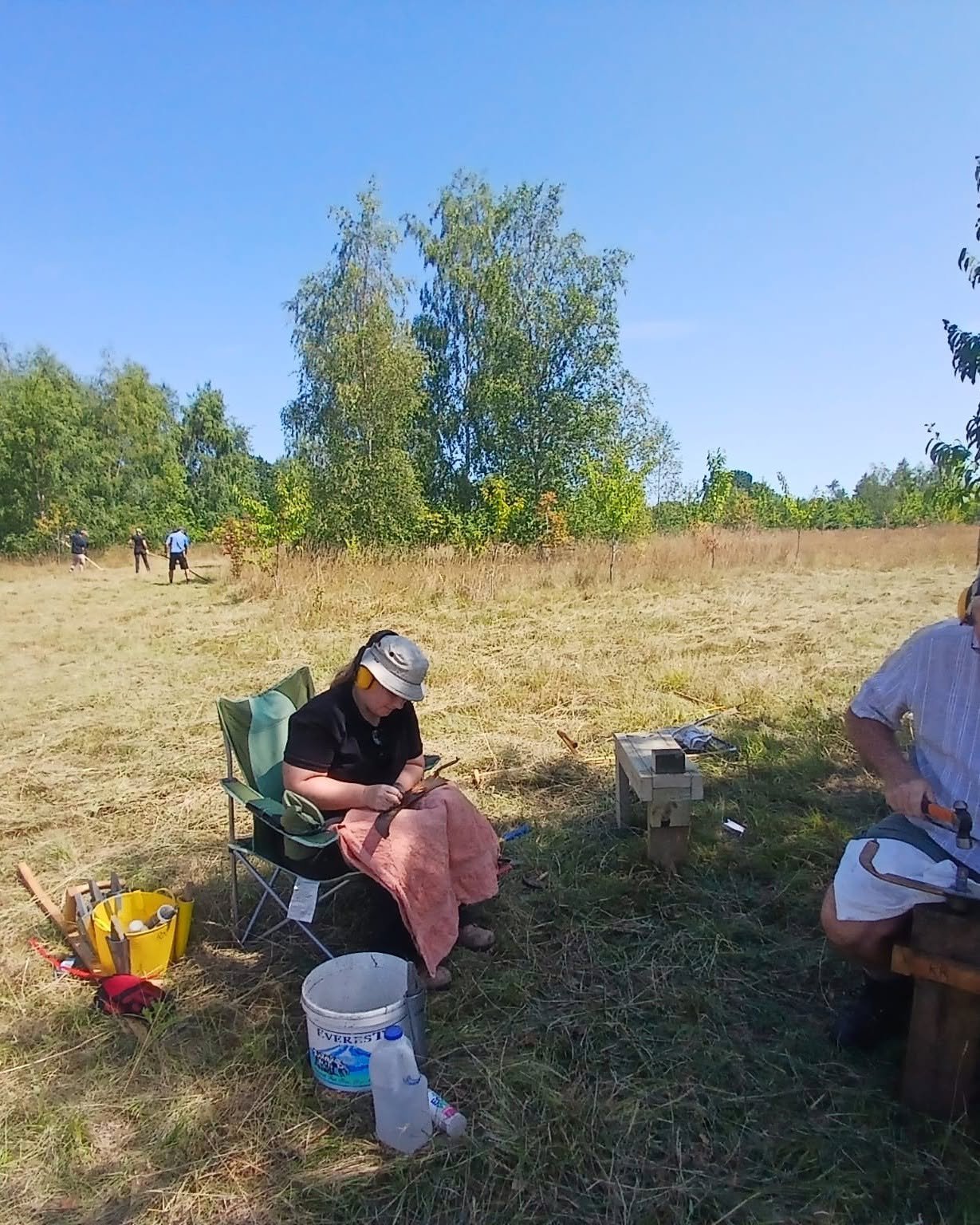
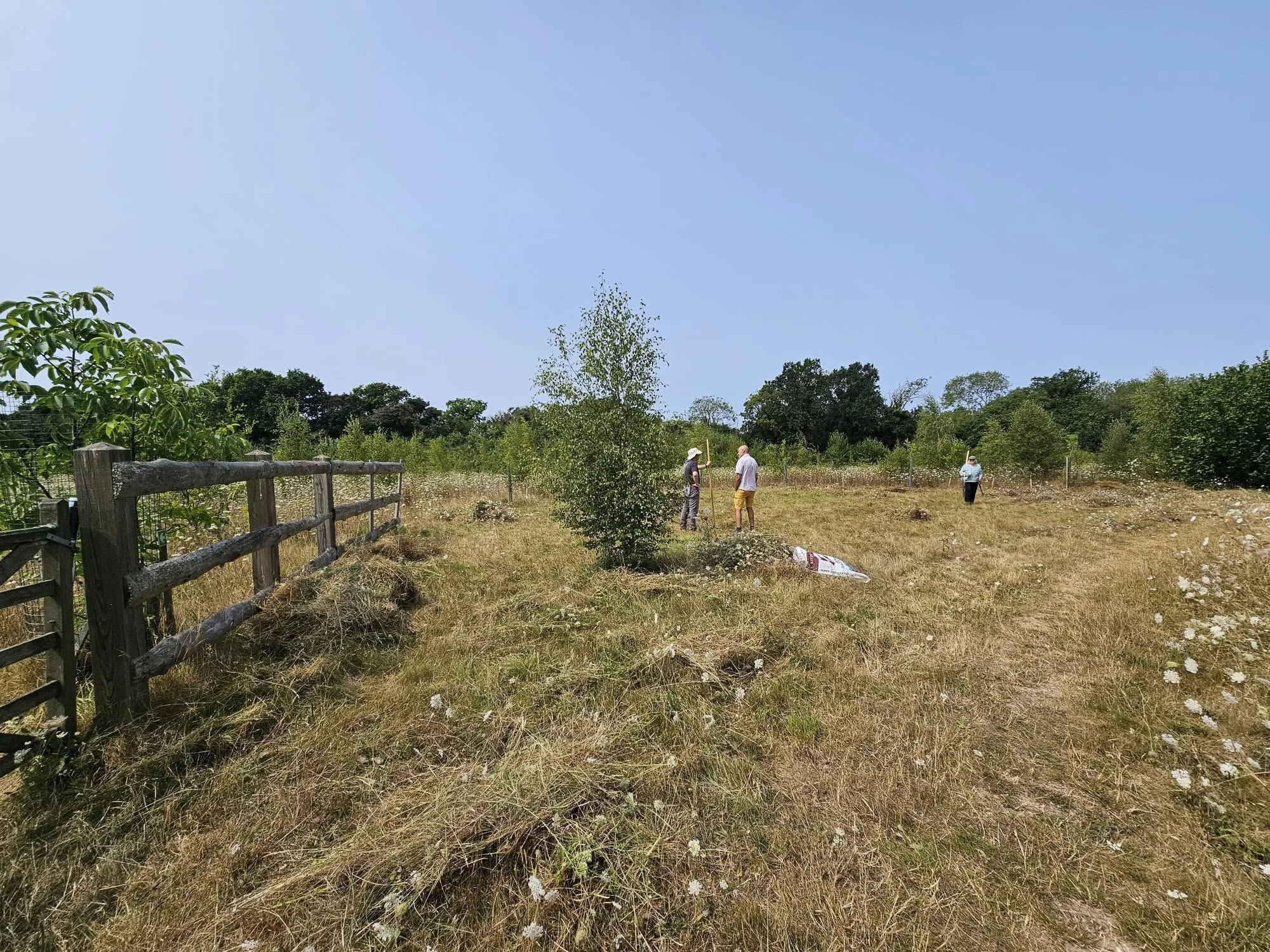
The week began bright and early with the traditional skill of scything, as volunteers took to the meadow to carefully mow sections of this beautiful species-rich grassland. Using scythes requires patience, skill and teamwork, and it was wonderful to see these traditional techniques being practised once again at Diamond Wood.
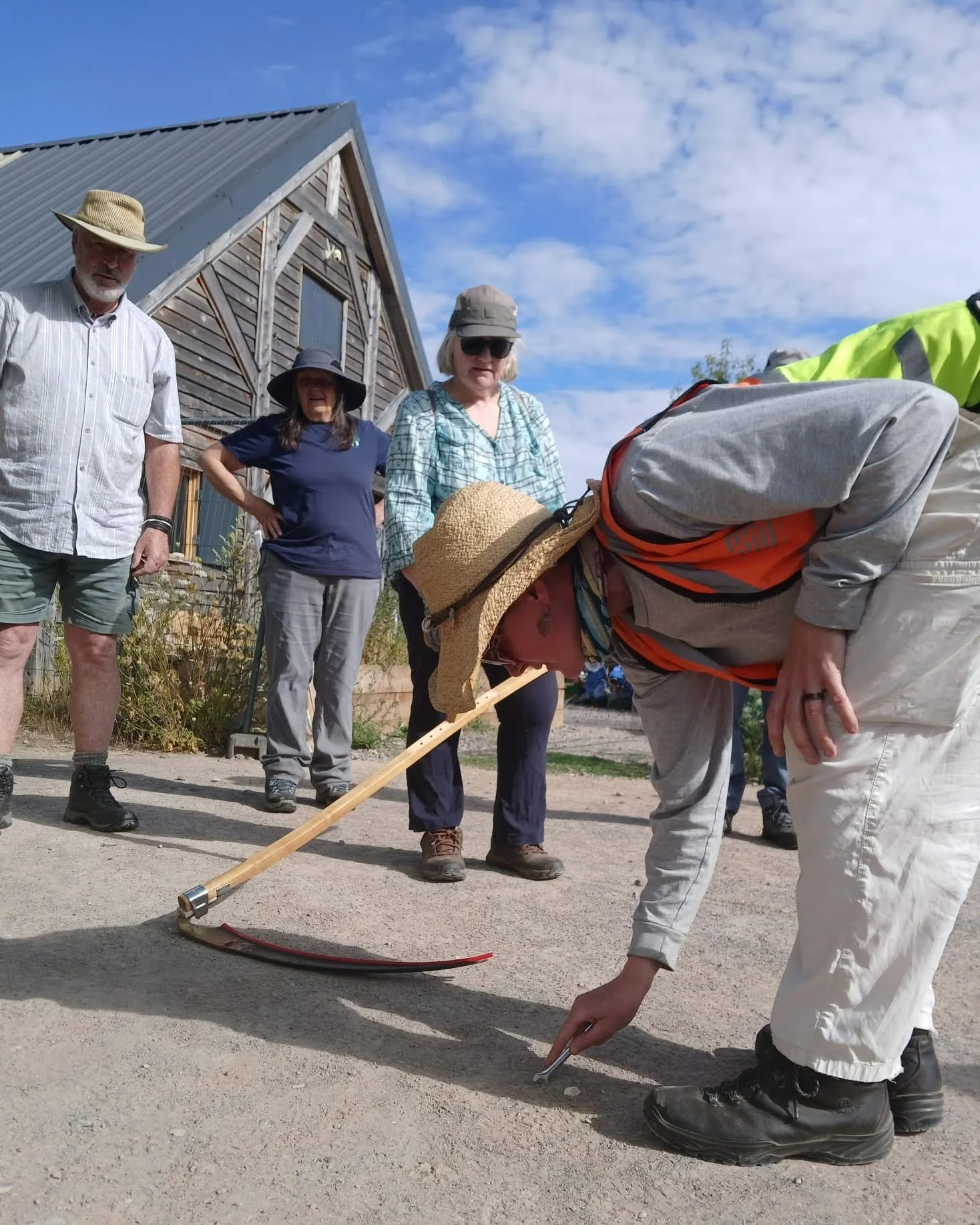
As the morning progressed, volunteers continued the important work of spreading hay, removing weeds, and peening scythe blades to keep tools sharp and ready for the days ahead. The meadow work is very weather dependent, so each day brings new decisions and adjustments based on the conditions.
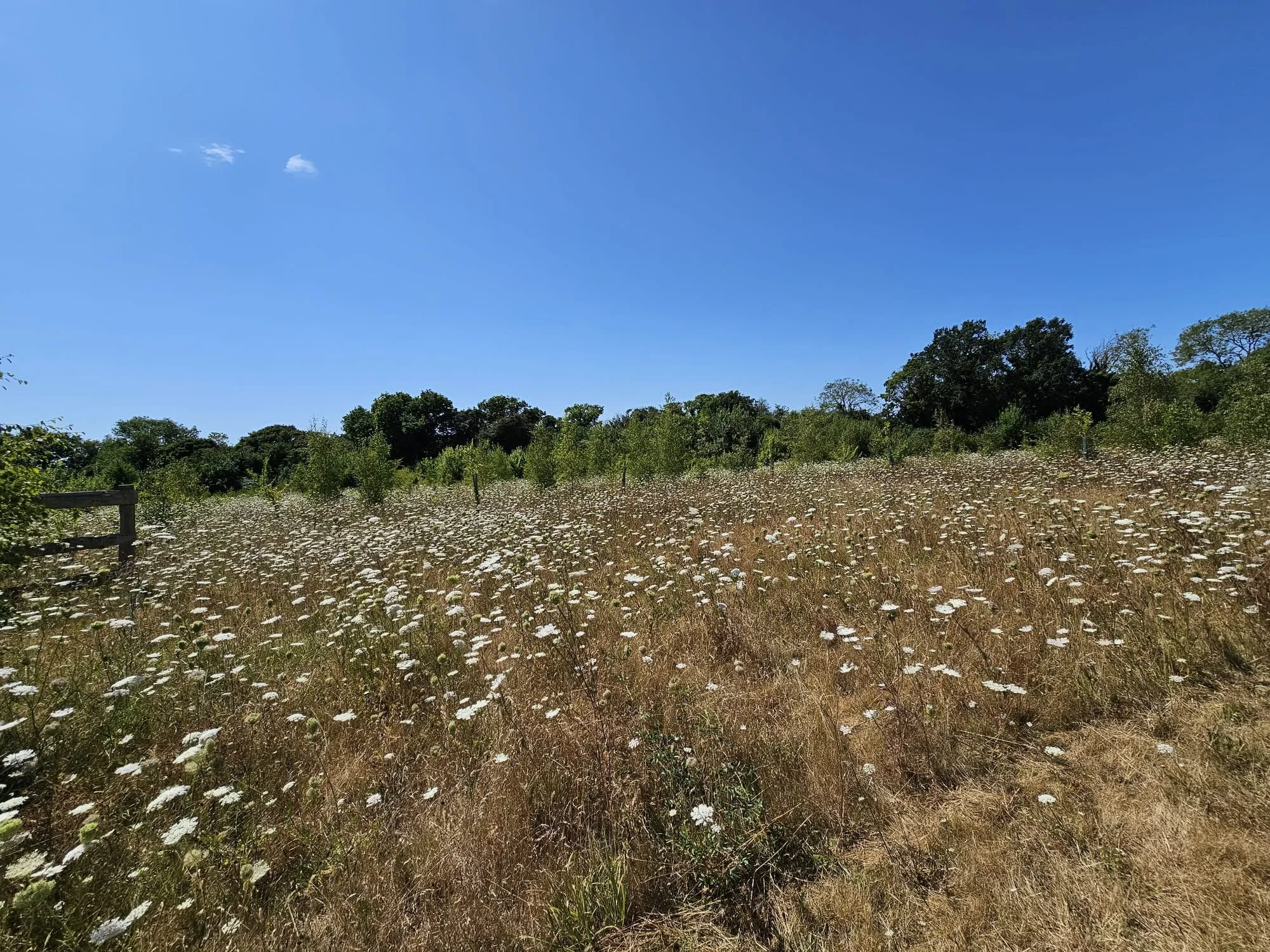
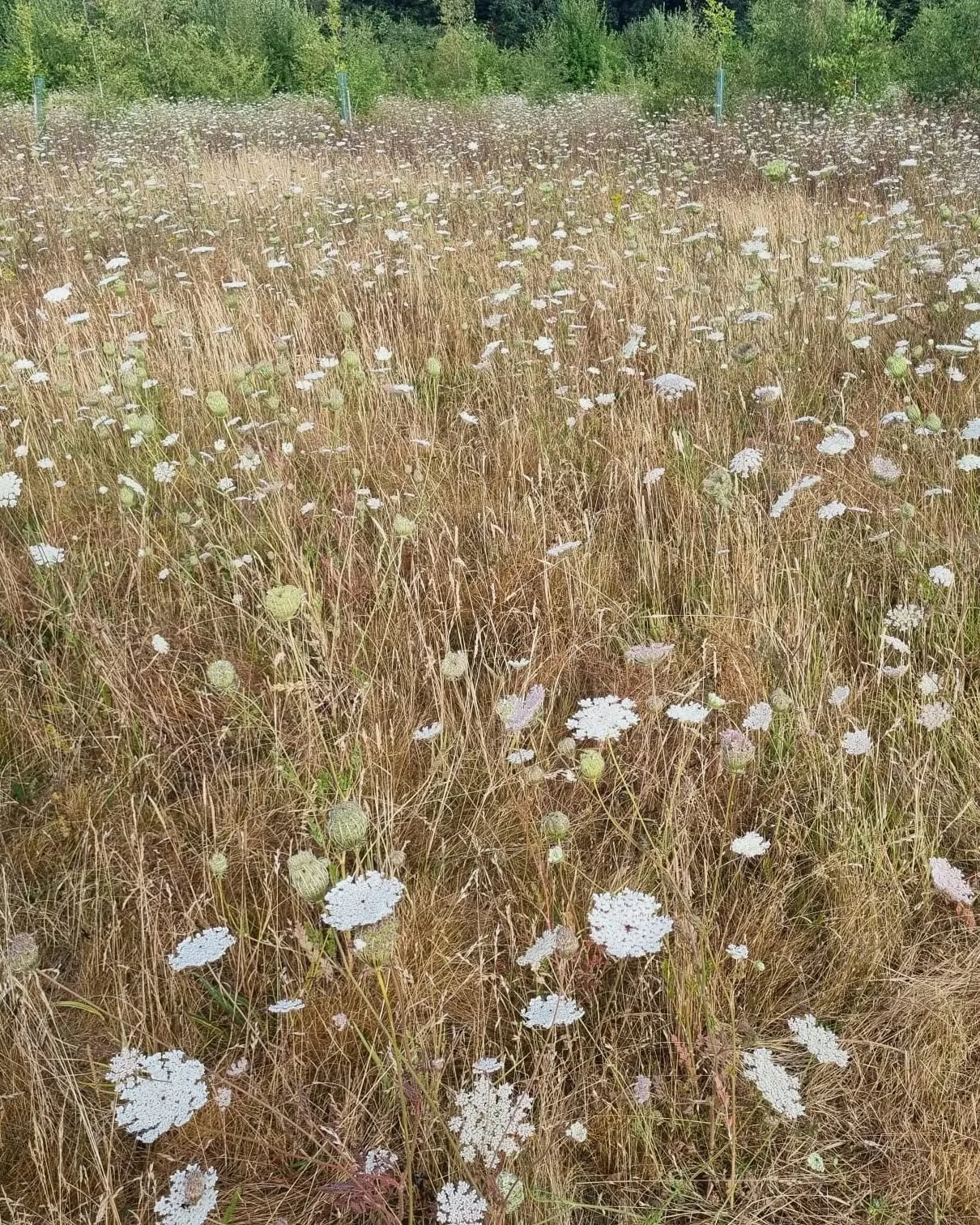
Haymaking is an important part of meadow management. Meadows are defined by being cut for hay, and the wildlife within them has adapted to this annual cycle of cutting and removal. Taking the hay away helps reduce soil fertility, preventing vigorous grasses from dominating and allowing more delicate wildflowers to thrive.
A huge thank you to everyone who joined us for day one and helped bring this traditional conservation practice to life. We’re looking forward to seeing how the week unfolds!
Tuesday 21 July: Turning Hay and Continuing the Meadow Magic
Day two of our Magnificent Meadows Haymaking Week continued with plenty of sunshine, teamwork and traditional meadow management at Diamond Wood.
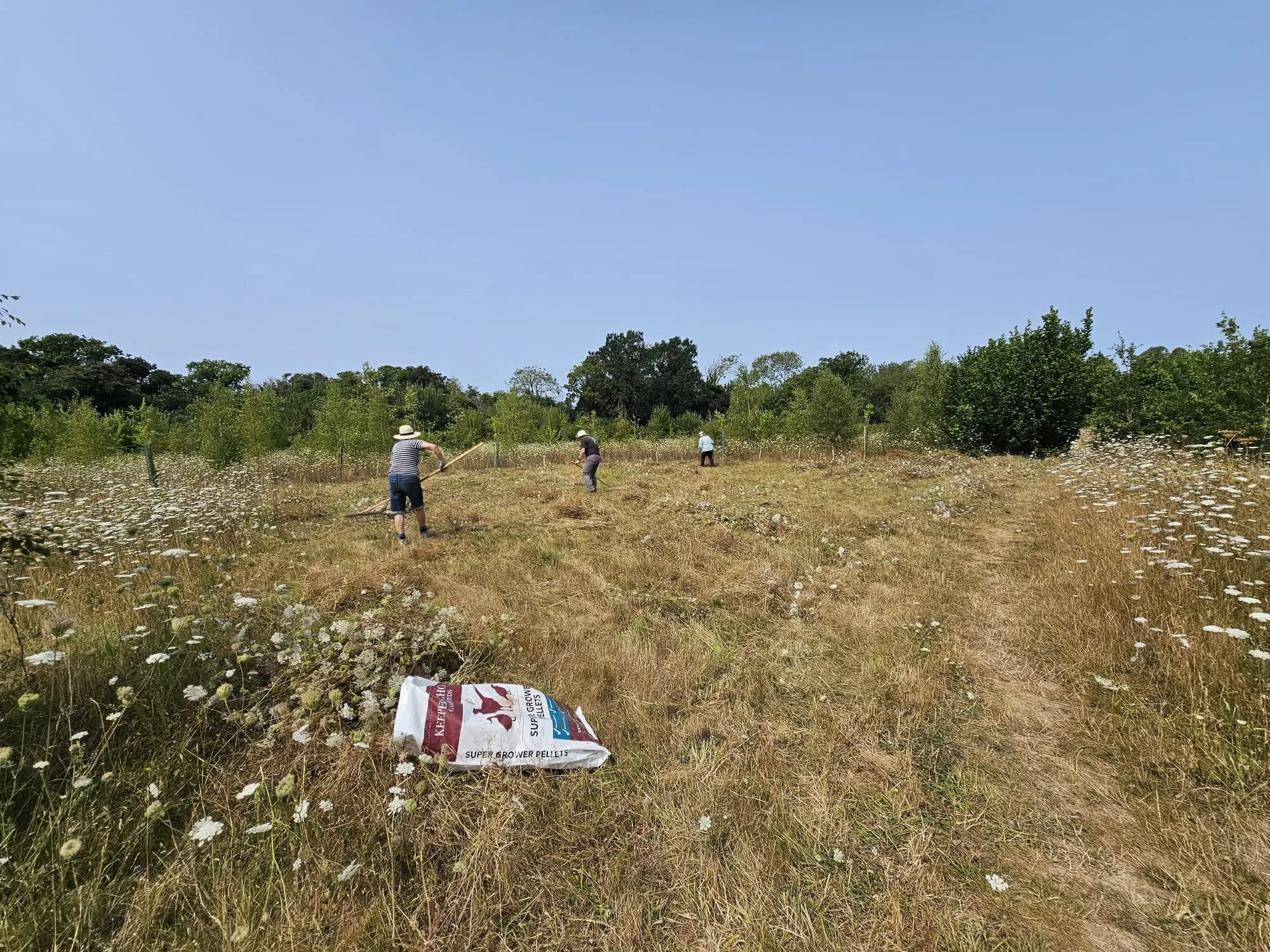
Volunteers from Andover Trees United and CPRE Hampshire were back in the meadow, turning hay, continuing scything, spreading cut grass and carefully removing weeds. There was also time spent peening scythe blades, ensuring the tools remained sharp and ready for the work ahead.
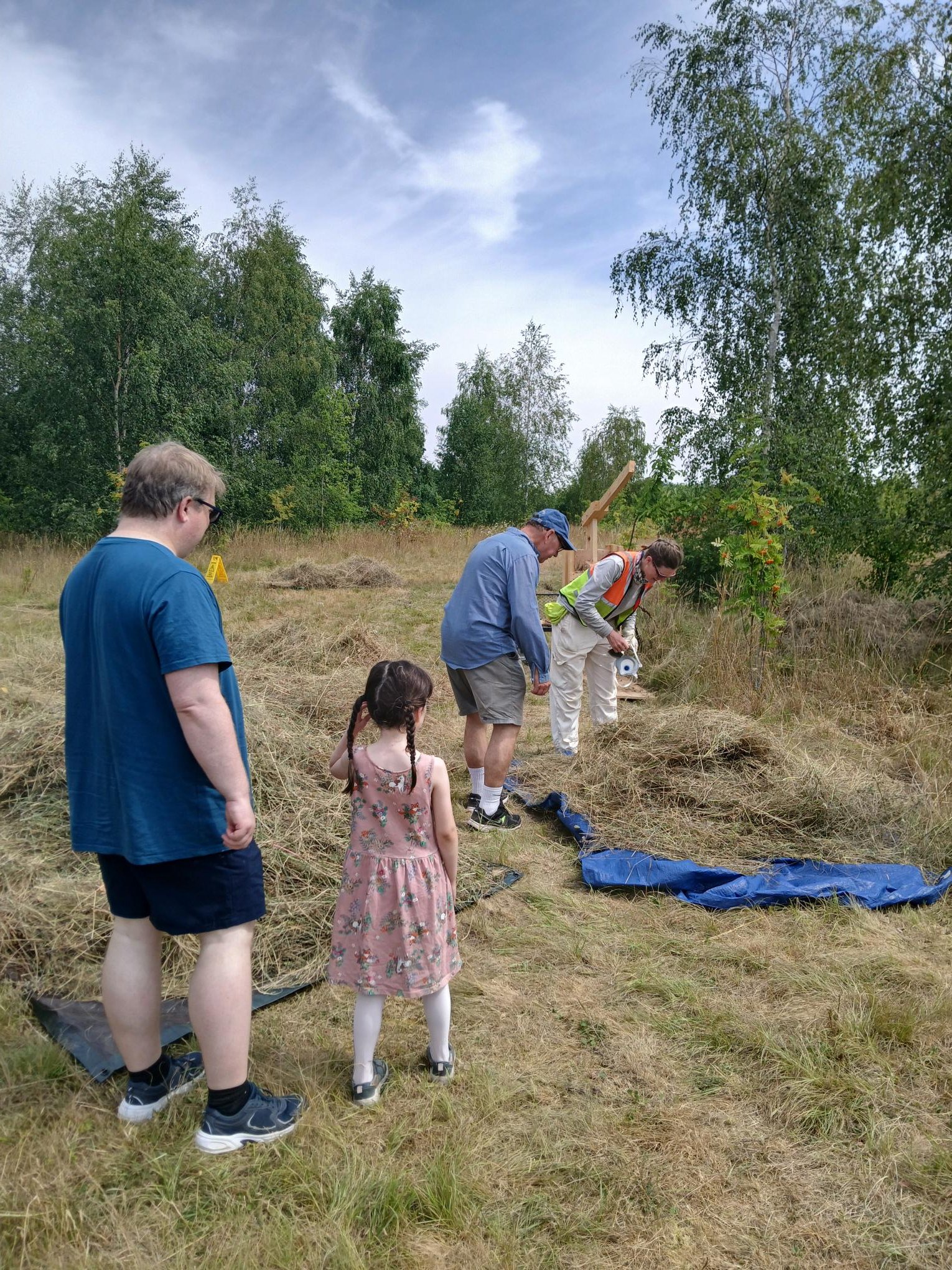
Each movement of the hay plays an important role. Turning and spreading the cut grass helps it dry naturally, while the movement of the hay across the meadow helps scatter seeds and create small gaps in the turf where new wildflowers can establish.
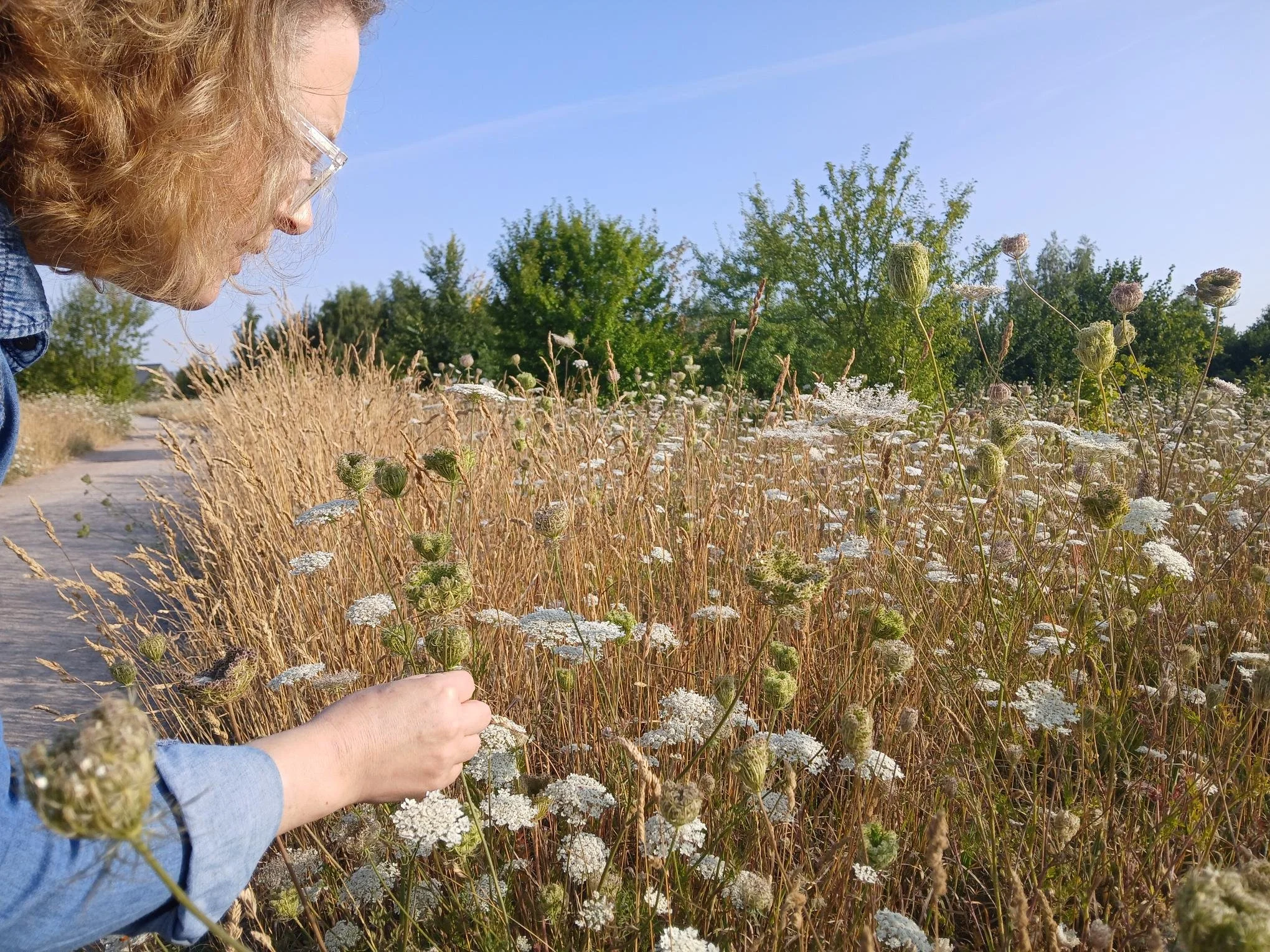
The species-rich grassland at Diamond Wood has taken more than a decade of careful work to create. Since 2013, volunteers, schools, community groups and care home residents have helped sow, grow and plant native wildflowers across the site, building the diverse habitat we see today.
A big thank you to everyone who joined us for another productive day in the meadow. Every rake, turn and handful of hay is helping care for this special landscape.
Wednesday 22 July: A Day of Scythes, Stories and Seed Spreading
Wednesday brought another busy day at Diamond Wood, with volunteers continuing the careful process of haymaking and meadow conservation.
The team spent the day mowing with scythes, tedding hay, removing weeds and beginning to row up the cut grass. Tedding helps spread and fluff the hay, allowing it to dry evenly while also helping naturally disperse seeds throughout the meadow.
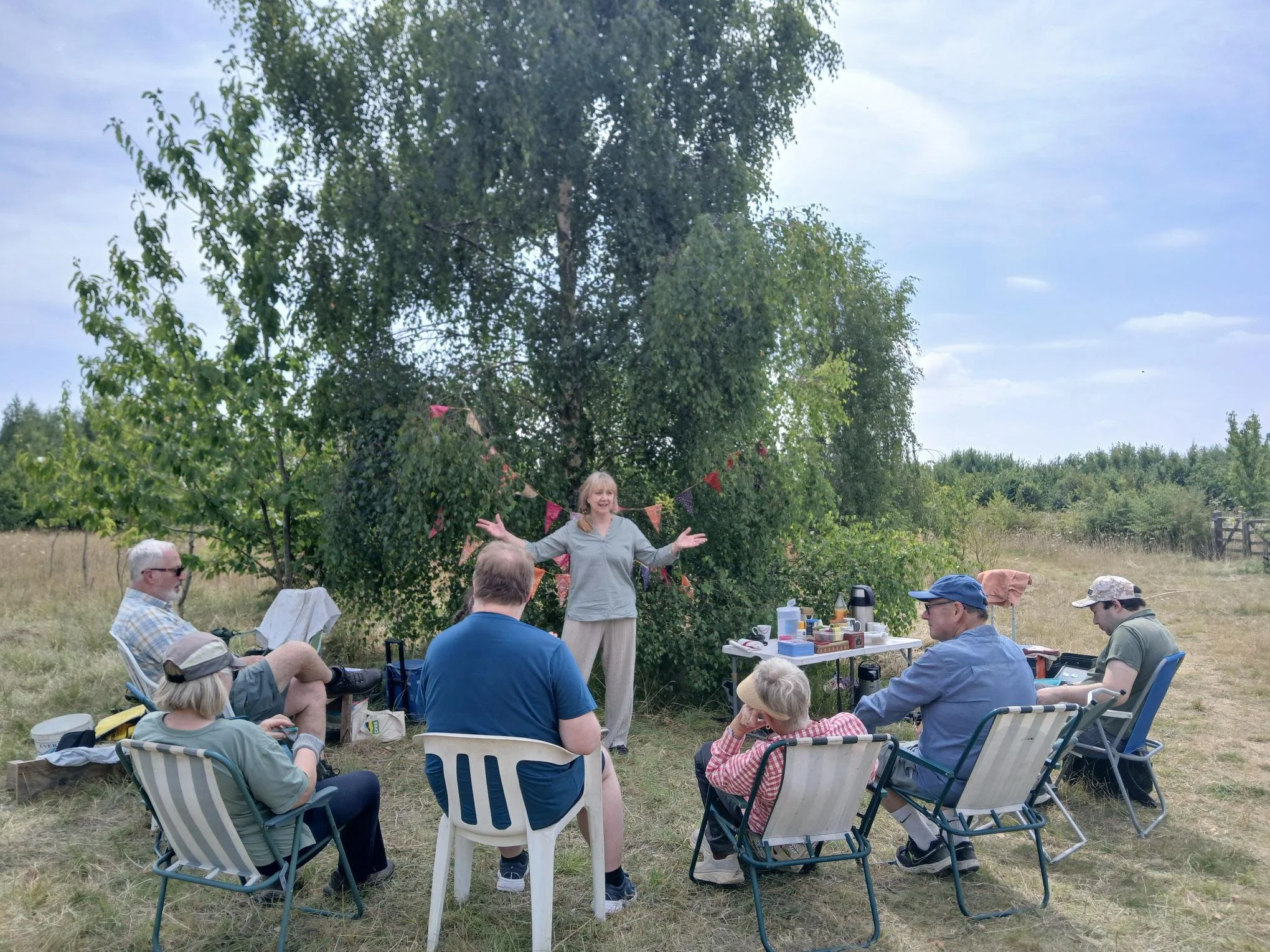
Alongside the practical conservation work, we were also joined by Amanda from Merry-Go-Round Storytelling, who treated visitors and volunteers to a wonderful storytelling session in the meadow. Her performance brought creativity, imagination and a deeper connection with nature into the heart of the haymaking process.
Diamond Wood’s meadows are the result of years of dedication, from the original seed sowing in 2013 to ongoing habitat creation, wildflower planting and ecological monitoring. The work being done this week is the next step in ensuring this habitat continues to support a wide range of wildflowers, insects, birds and other wildlife.
Thank you to everyone who helped make Wednesday such a special day.
Thursday 23 July: Preparing for the Bale
The haymaking team returned to Diamond Wood on Thursday for another important day of meadow management.
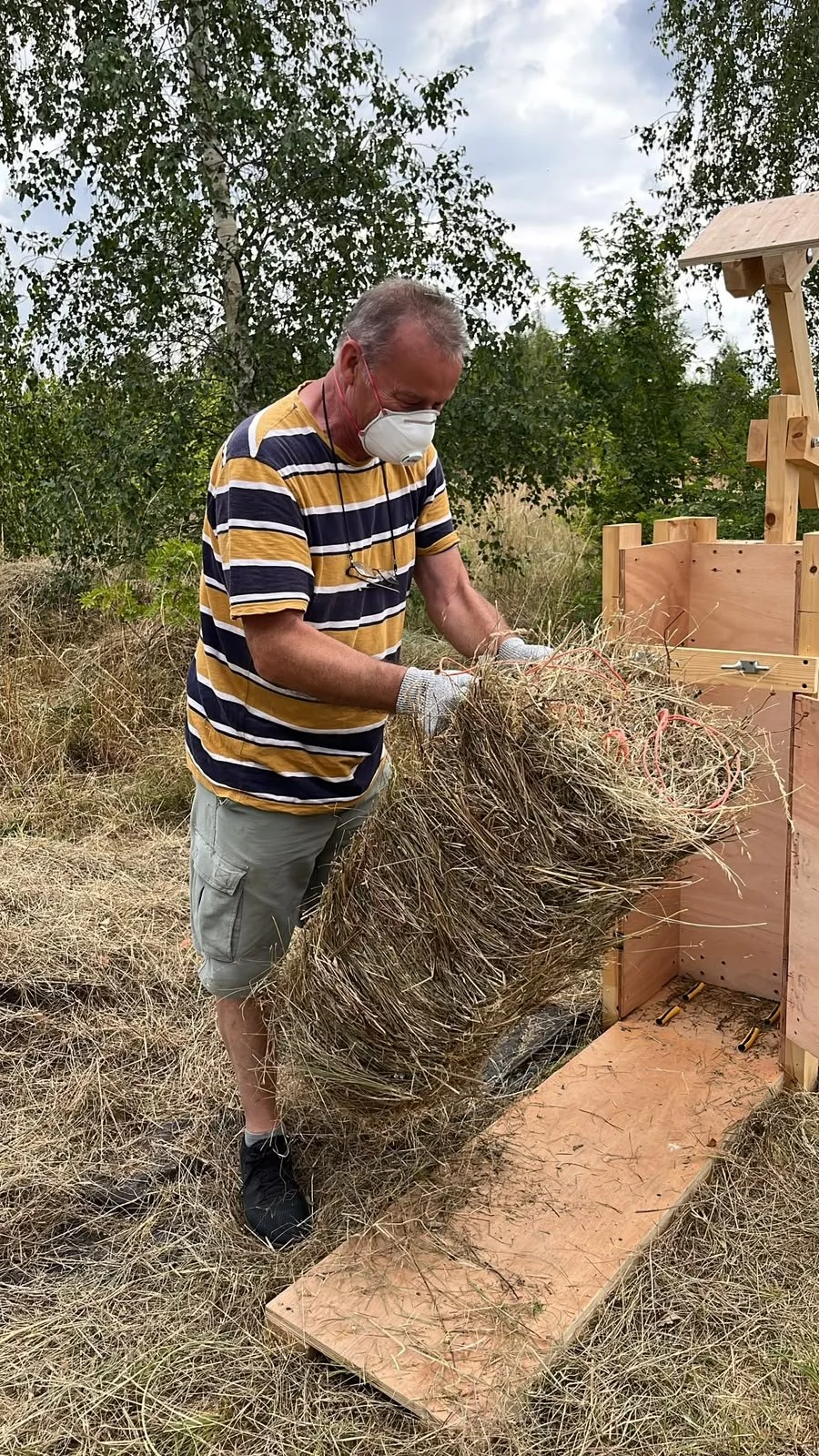
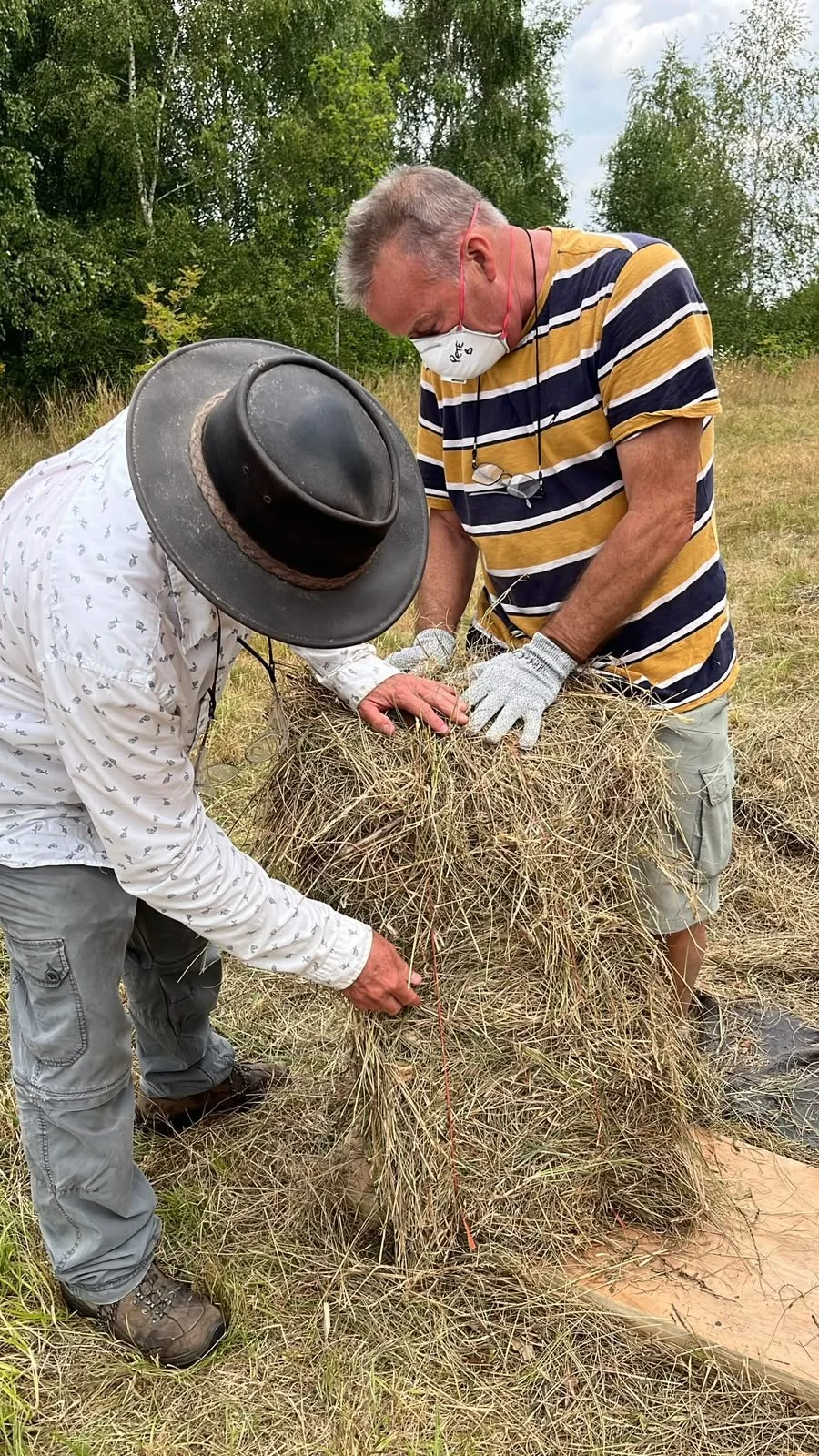
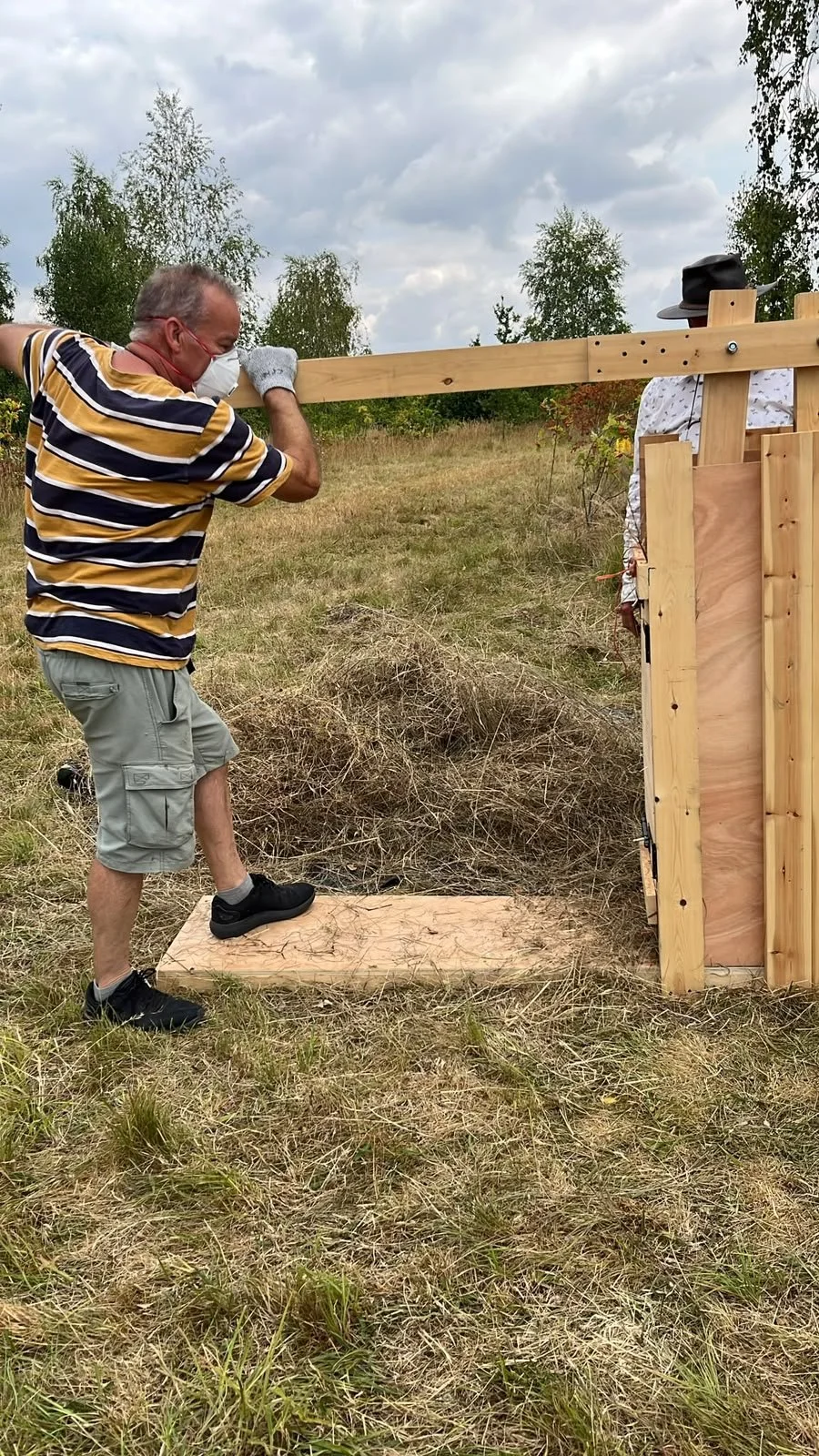
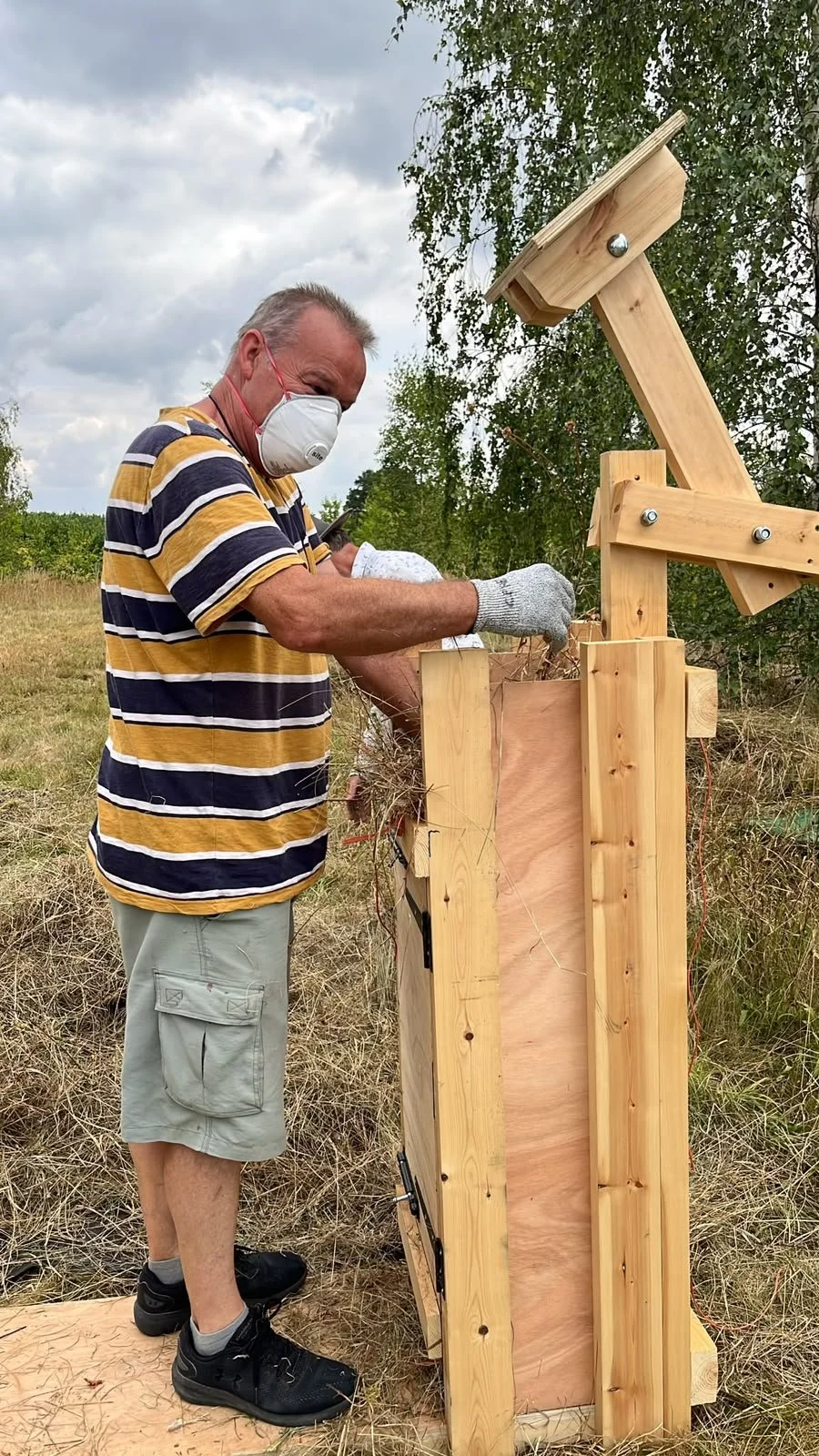
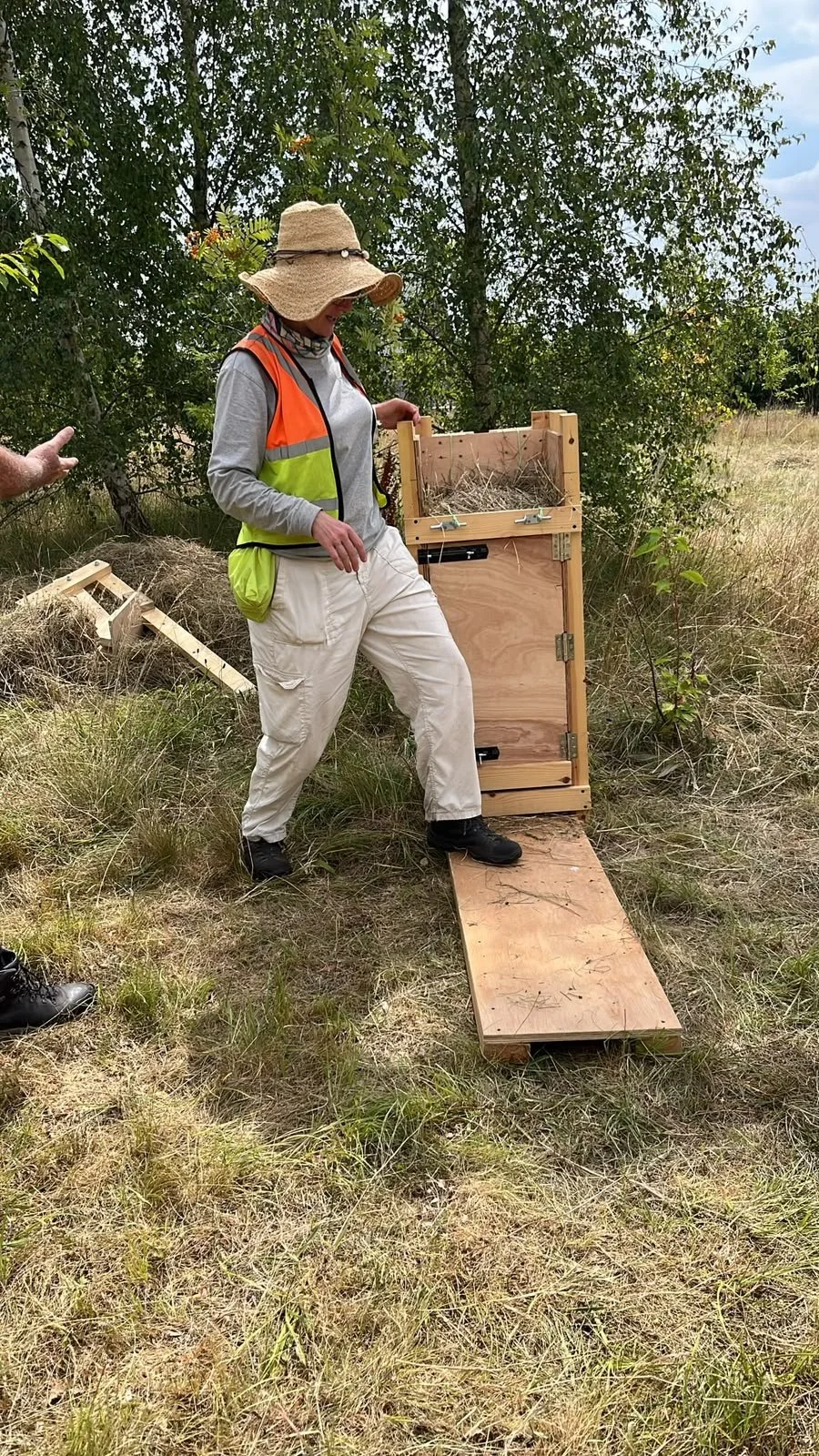
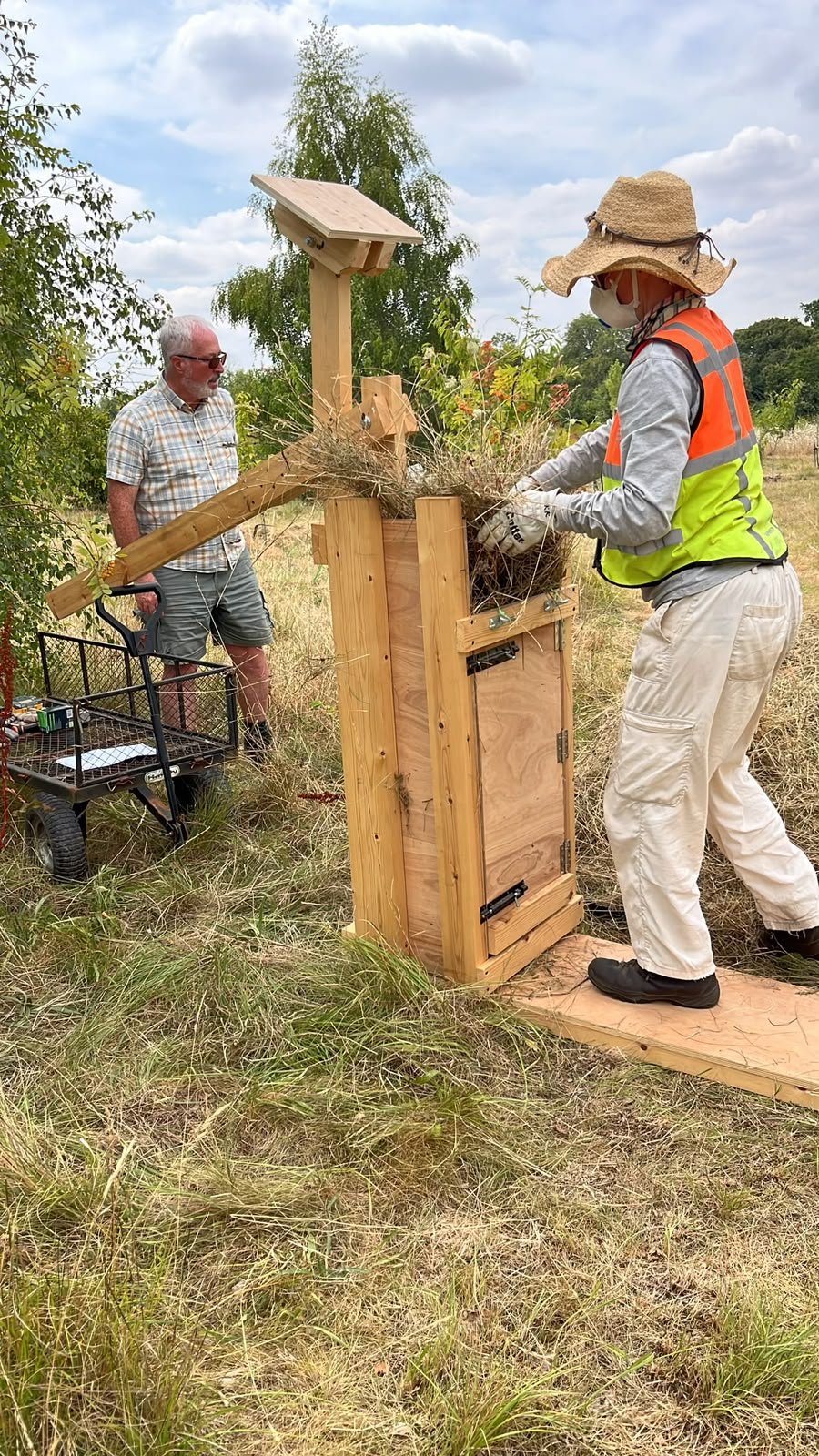
With the meadow drying well, volunteers focused on turning the hay and preparing for box baling, carefully monitoring the conditions to decide when the hay would be ready to collect.
Haymaking is a traditional process that relies heavily on the weather. Too much rain slows the drying process, while hot, dry conditions can mean the hay is ready sooner than expected. Our volunteers have been adapting throughout the week, working with nature and responding to the changing conditions.
The removal of hay is a crucial part of managing species-rich grassland. By taking nutrients away from the meadow, we help create the open, low-nutrient conditions that allow wildflowers to flourish rather than being overtaken by stronger-growing plants.
A huge thank you to all the volunteers who joined us today and helped keep this traditional conservation practice alive at Diamond Wood. Your hard work is making a real difference.
Friday 24 July: Finishing Strong at Diamond Wood
Our Magnificent Meadows Haymaking Week came to a fantastic close on Friday, with volunteers returning to Diamond Wood for the final stages of this traditional meadow management process.
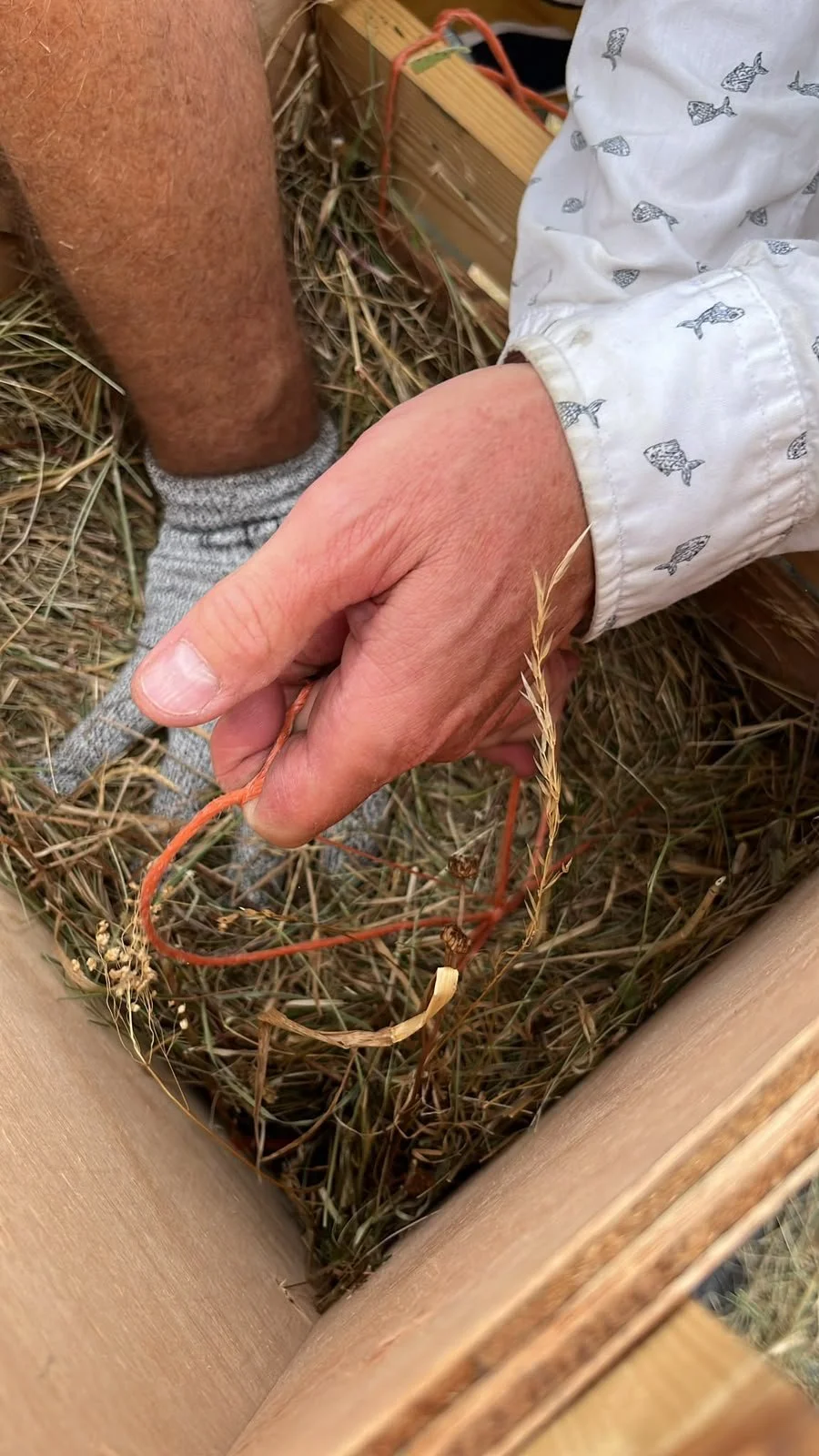
The team spent the day turning hay and carrying out provisional box baling, bringing together the skills, teamwork and effort that had gone into the whole week.
From the first scythe cuts on Monday to the careful turning, tedding, spreading and preparation throughout the week, volunteers have helped complete an important stage in the ongoing care of Diamond Wood’s species-rich grassland.
A huge thank you to everyone from Andover Trees United and CPRE Hampshire who joined us, shared their skills and got stuck into every part of the process. Special thanks also go to Pete and Brian from ATU for supporting the box baling, helping us bring this traditional practice back to the meadow.
The meadow at Diamond Wood is a community achievement. Over many years, local people, schools, volunteers and residents have helped create and care for this special habitat. This week has been another chapter in that story, helping ensure the meadow continues to thrive for wildlife and future generations.
Thank you to everyone who made Magnificent Meadows Haymaking Week such a success!