Life of Bug Girl: A Year in the Woods
Meet Kanchi, Bug Girl in the Woods

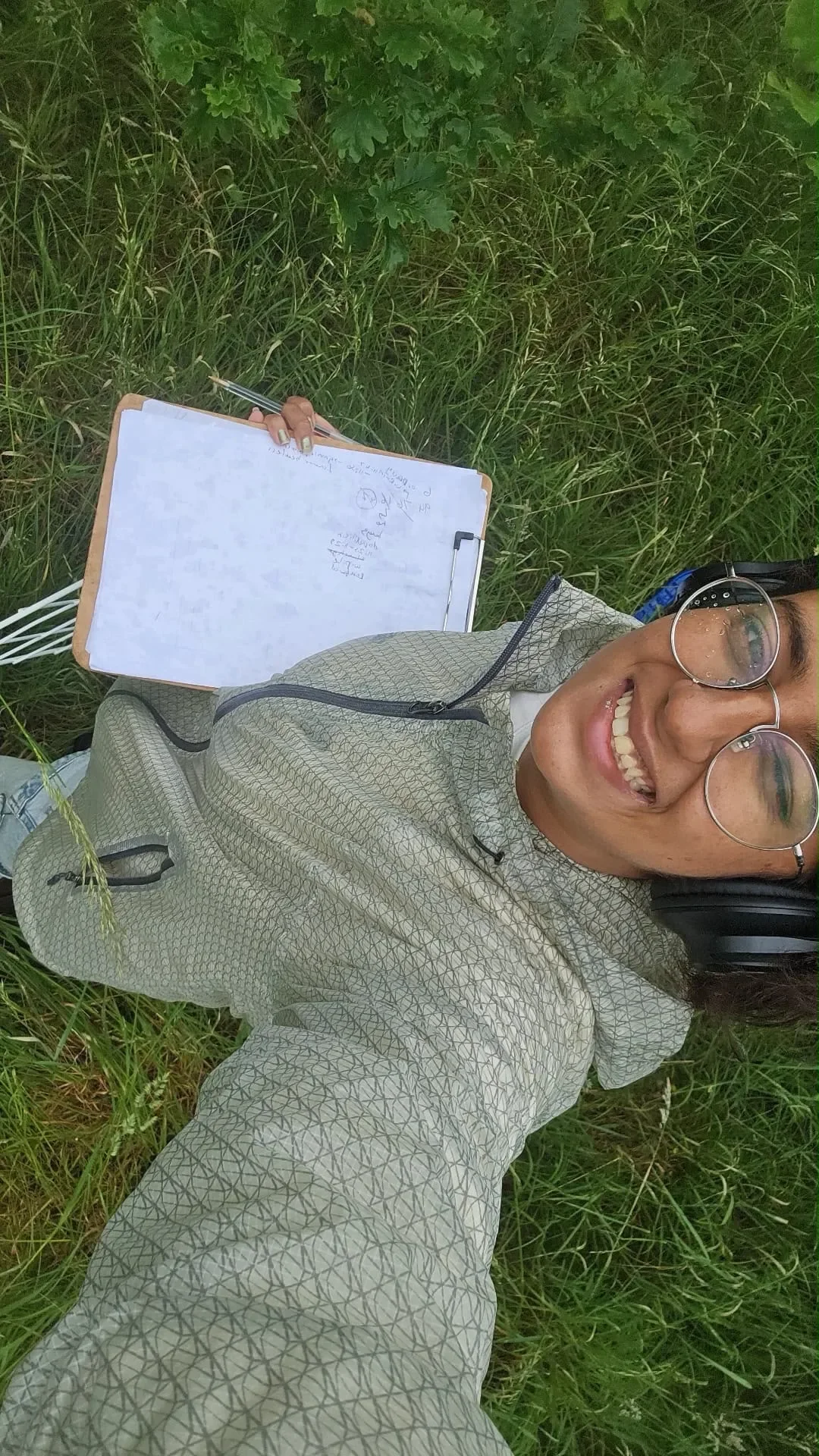
Hi, I’m Kanchi,
Andover Trees United’s Ecology Intern, and I have a confession to make.
I really like bugs.
A bit about me
Under fallen leaves, inside deadwood, among grasses and wildflowers, countless small lives interact with one another and help shape the habitats around them.
During my internship with Andover Trees United, I want to look more closely at those relationships and bring others along.
My main focus will be The Diamond Wood, with an extension to Harmony Wood. To me, they are not simply places to walk through. They are living, changing habitats, full of trees, wildflowers, insects, mammals, fungi and hidden ecological relationships.
Over the coming year, I’ll be exploring what lives here, how the habitats change through the seasons and what the species we find can tell us about the health of the woods.
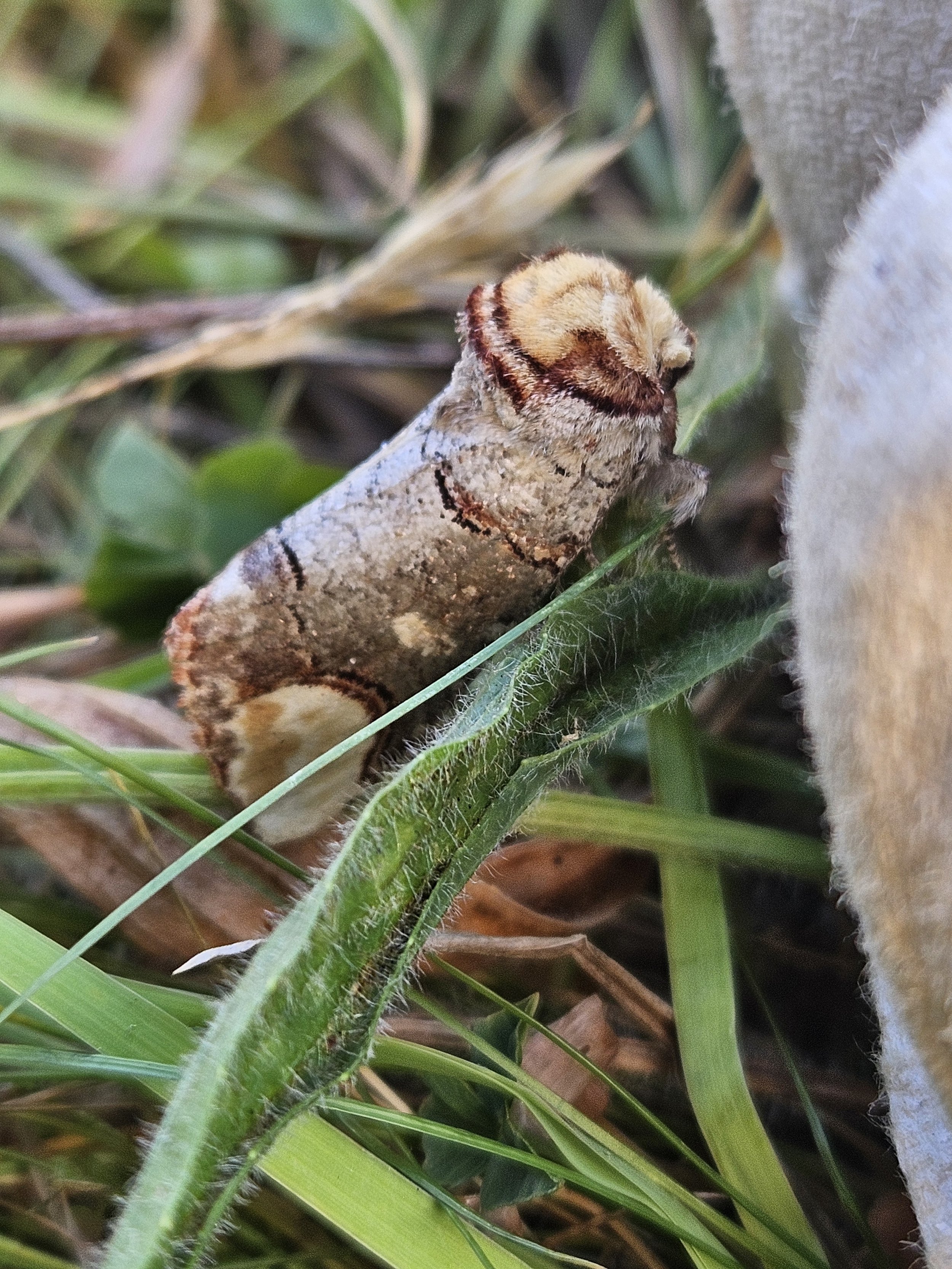
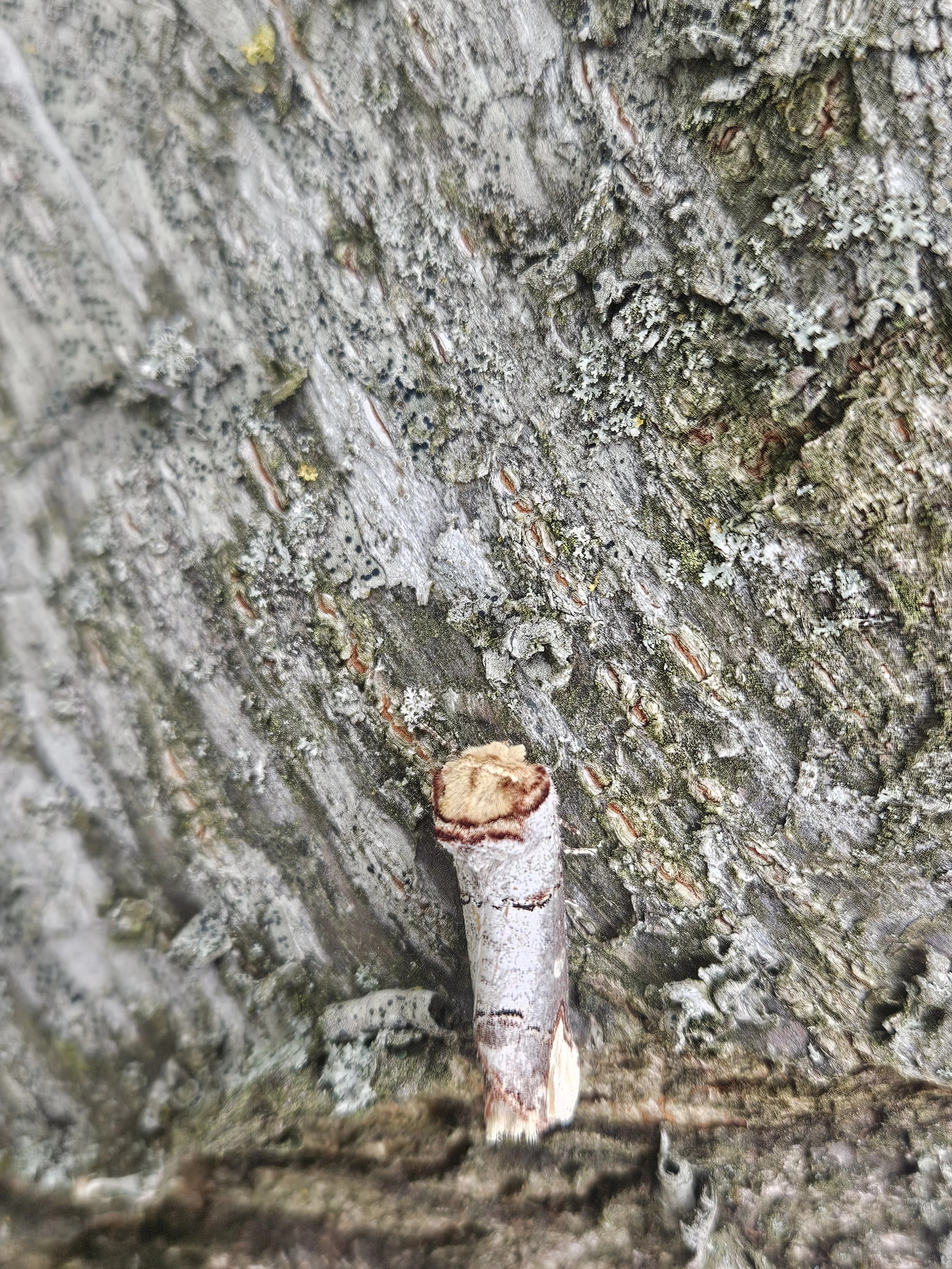
My favourite is the Buff-tip moth, a large, night-flying insect known for its incredible camouflage. When resting, it looks remarkably like a broken twig, making it very easy to miss unless you know what to look for.
That is one of the things I love most about ecology. There is so much happening around us that we simply don’t notice.
I’ll be sharing what I discover through this blog series, and for regular updates don’t forget to follow my discoveries and updates throughout the year on @andovertreesunited
Kanchi Mehta
Ecology Intern, Andover Trees United
Rain, Spiders and One Very Good Woodpecker
Bug Girl’s September Notes from Harmony Woods
September has felt like a month of change at Harmony Woods.
After a long, hot summer, the air is finally cooler, the ground is damp again and the woods are beginning to shift into autumn mode.
The trees seem to have coped remarkably well with all that heat and, from where I’ve been standing underneath them, they’ve certainly earned their keep. They’ve provided some very welcome shade for bugs, small animals and one increasingly warm ecology intern.
The pond hasn’t had quite such an easy time. After weeks of heat and very little rain, water levels dropped and things were beginning to look rather sorry.
Then the rain came. And almost immediately, things started changing again.
When the rain returns
The pond has begun to bounce back to life, the woodland floor is softer and suddenly there are new things appearing everywhere you look.
Mushrooms! Snails! Damp-loving creatures!
It’s a lovely reminder that moisture can completely change what you find in a habitat. Things that seemed absent a few weeks ago were often simply waiting for the right conditions.
And while summer might be ending, the bugs certainly haven’t packed up and gone home.
In fact, the cast is changing.
We are very definitely entering spider season. Webs are appearing everywhere, particularly first thing in the morning when tiny drops of dew make them much easier to spot.
Wasps are still busy, earwigs are making themselves known and there seem to be more predatory and carnivorous bugs around too.
Autumn may feel quieter at first, but once you start looking properly, there is still an awful lot going on.
One last survey
September also brings the end of my main surveying season, which feels very strange after months of watching, listening, recording and occasionally crawling around looking for something very small.
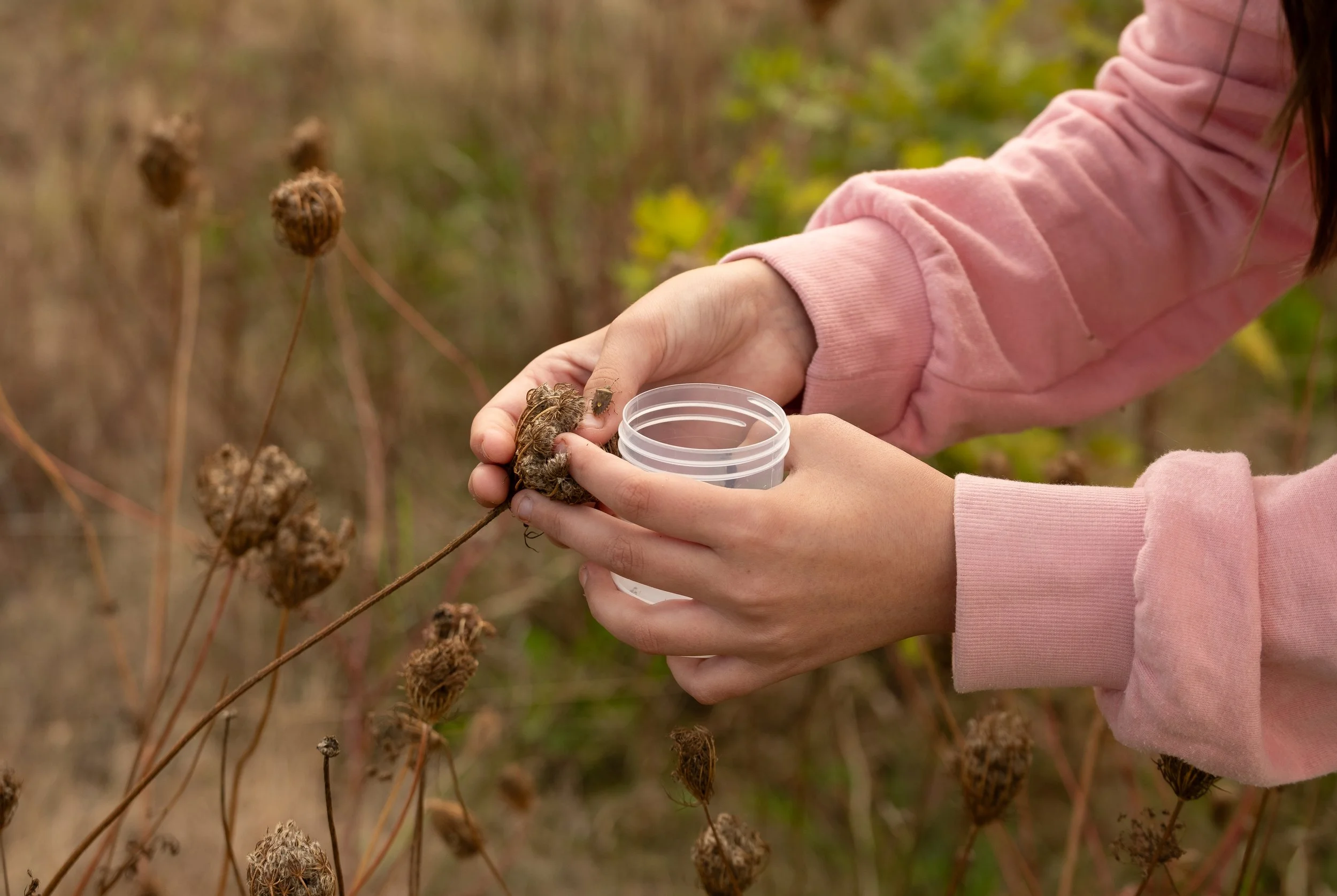
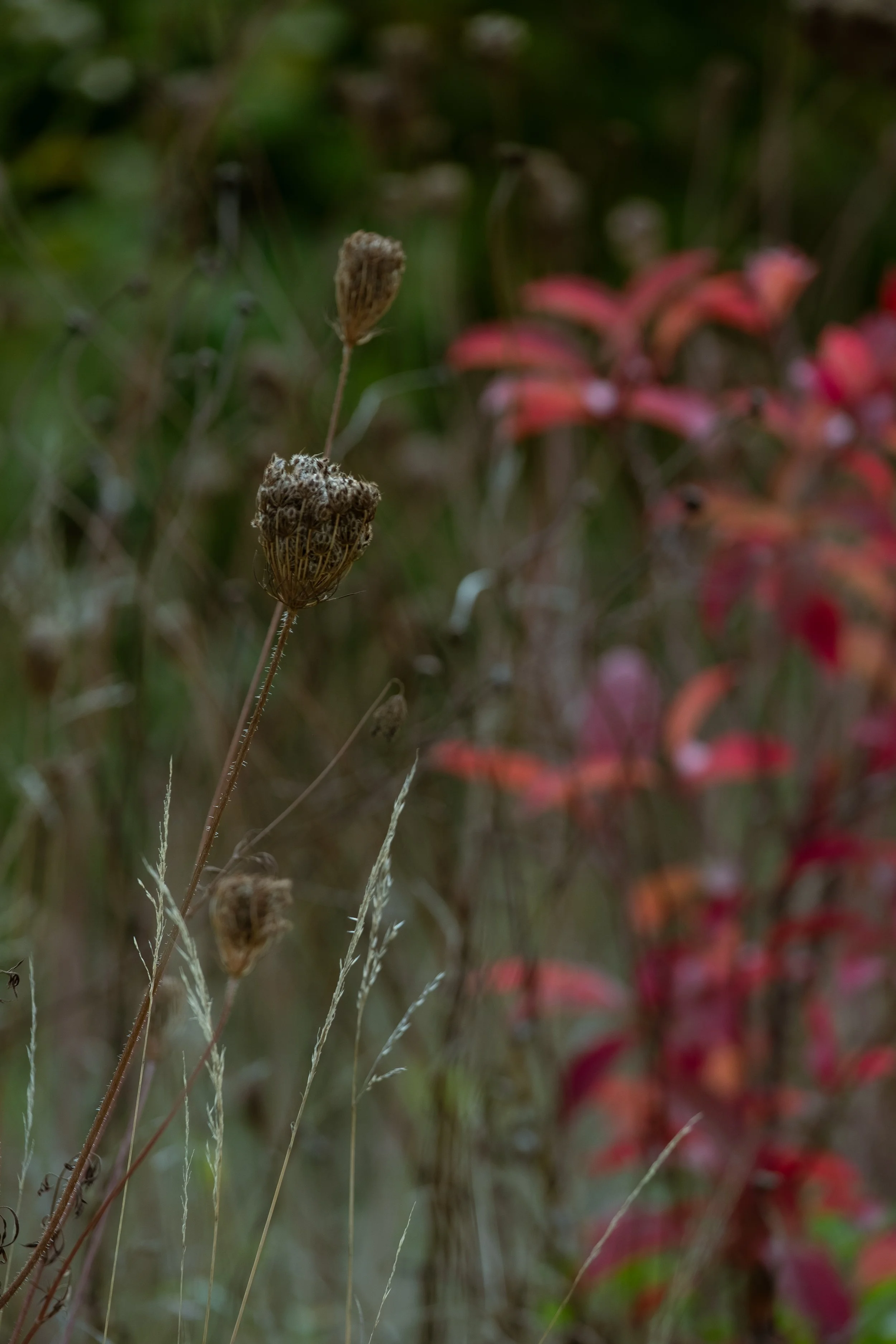
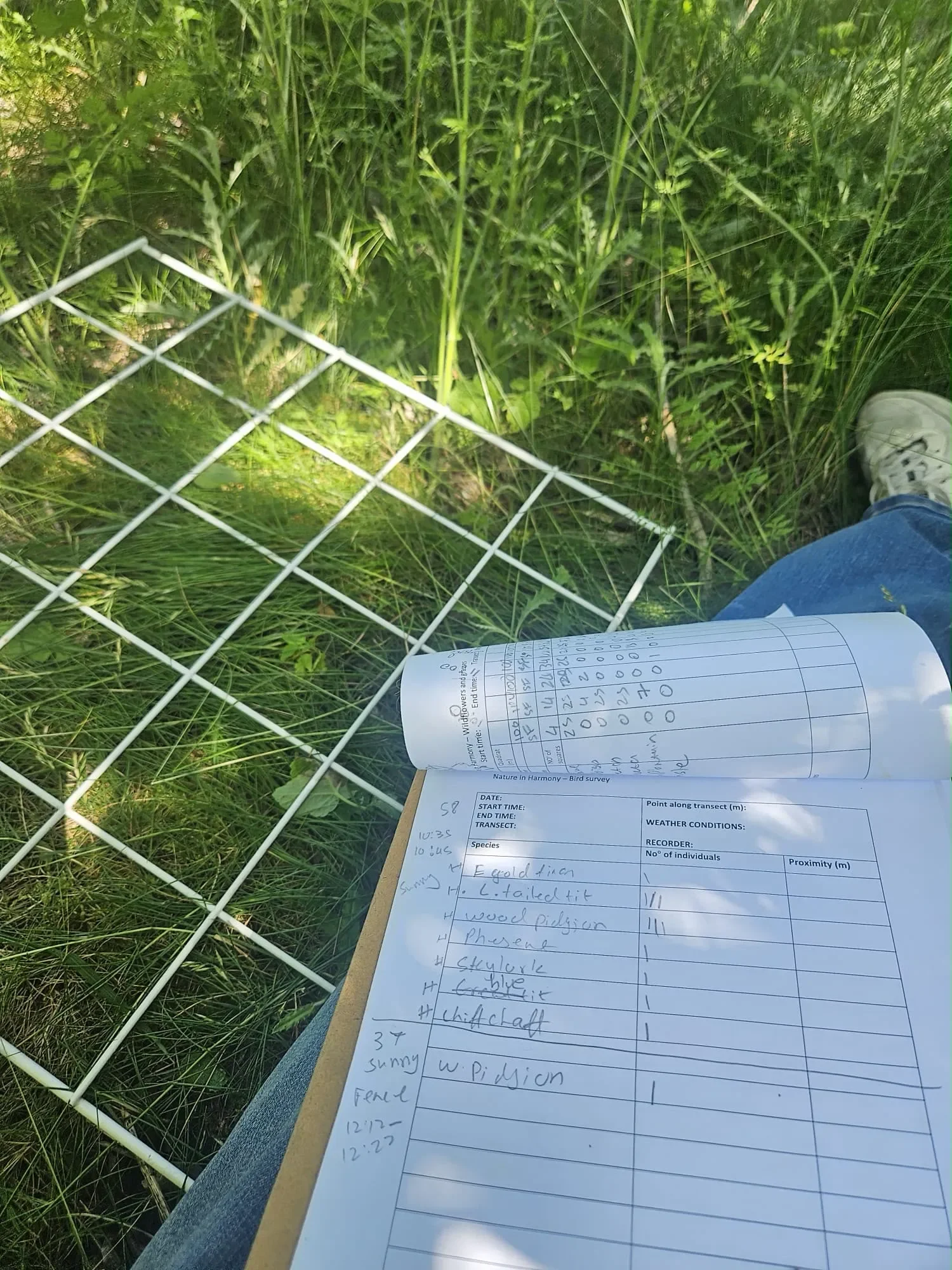
I saved one of my favourites for last: the bird transect through the trees.
I love this part of the survey because you become completely surrounded by sound. Robins and great tits can make an impressive amount of noise for something so tiny, although actually spotting them amongst the branches is sometimes another matter entirely.
And my final bird survey gave me a particularly good send-off.
I saw a woodpecker!
Not a bad way to finish the season.
Surveying has taught me that sometimes the most interesting thing you can do in nature is simply stop.
Listen.
Look properly.
Give things time to reveal themselves.
You notice changes in sound, light, plants and animal behaviour that are very easy to miss if you’re simply walking through.
Growing next year’s wildflowers
We’ve also been busy planting wildflowers grown at the allotment. Furthermore, you can help plant them out at this year’s Community Day on the 10th October - book here. https://www.andovertrees.org.uk/events-list/octcommunityday
It’s another small but important part of helping increase the diversity of the woodland and creating more opportunities for insects and other wildlife.
Right now, they may not look particularly dramatic, but I’m already looking forward to seeing what establishes and returns next year.
Sometimes ecology requires quite a lot of patience!
A very special Peace Day
Wildlife wasn’t the only thing filling Harmony Woods this month.
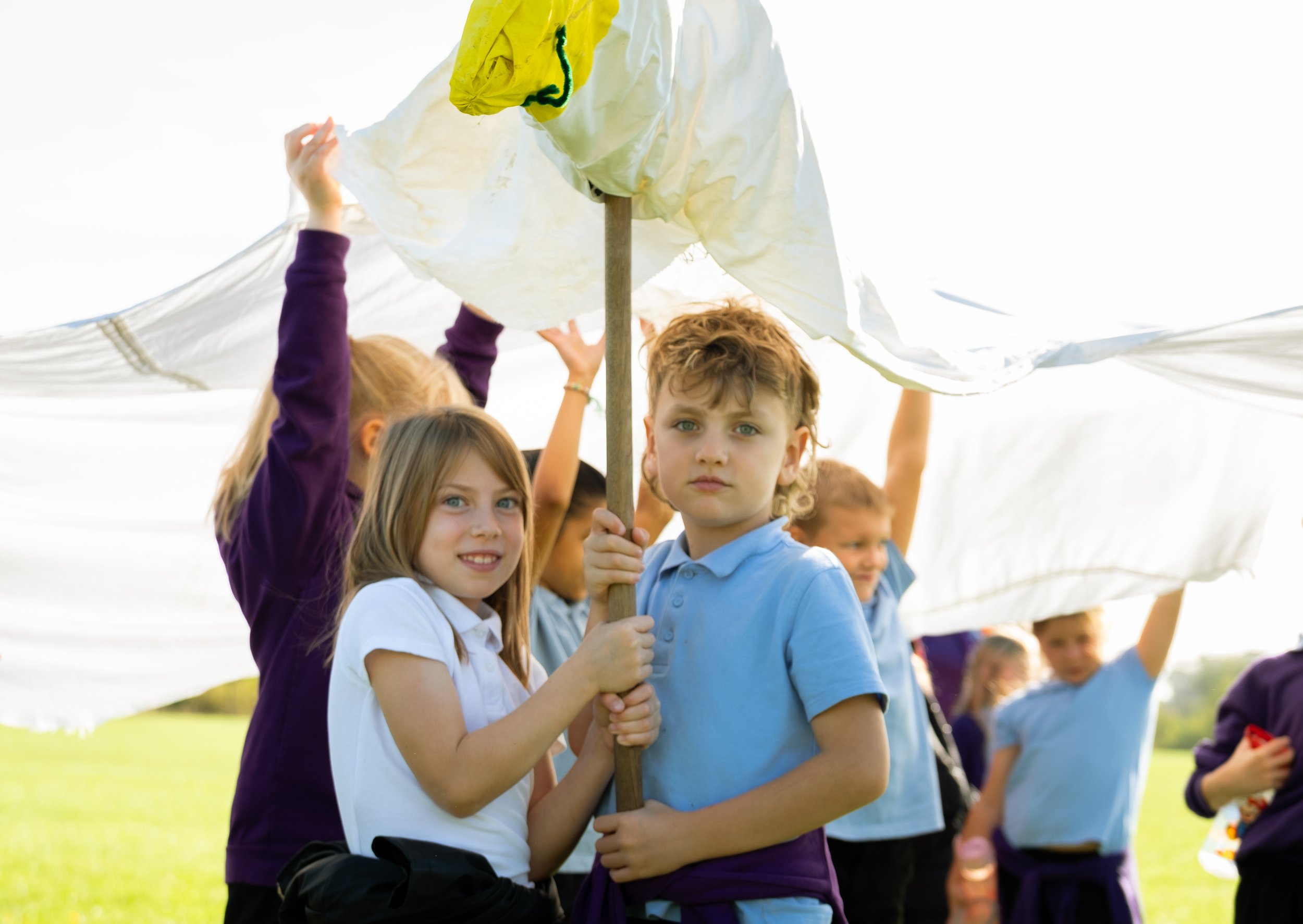
One of September’s real highlights was our World Peace Day procession, when four local schools came together to join us, following in the footsteps of the late, great Dr Jane Goodall as they paraded their giant peace doves through Harmony Woods.
Pupils from Abbotts Ann Primary, Harrow Way Community School, Endeavour Primary and Knights Enham Juniors took part, filling the woods with young people and a very different kind of energy.
The procession marked the UN International Day of Peace, using the woodland as a place where children could come together and think about peace, community and their relationship with the world around them.
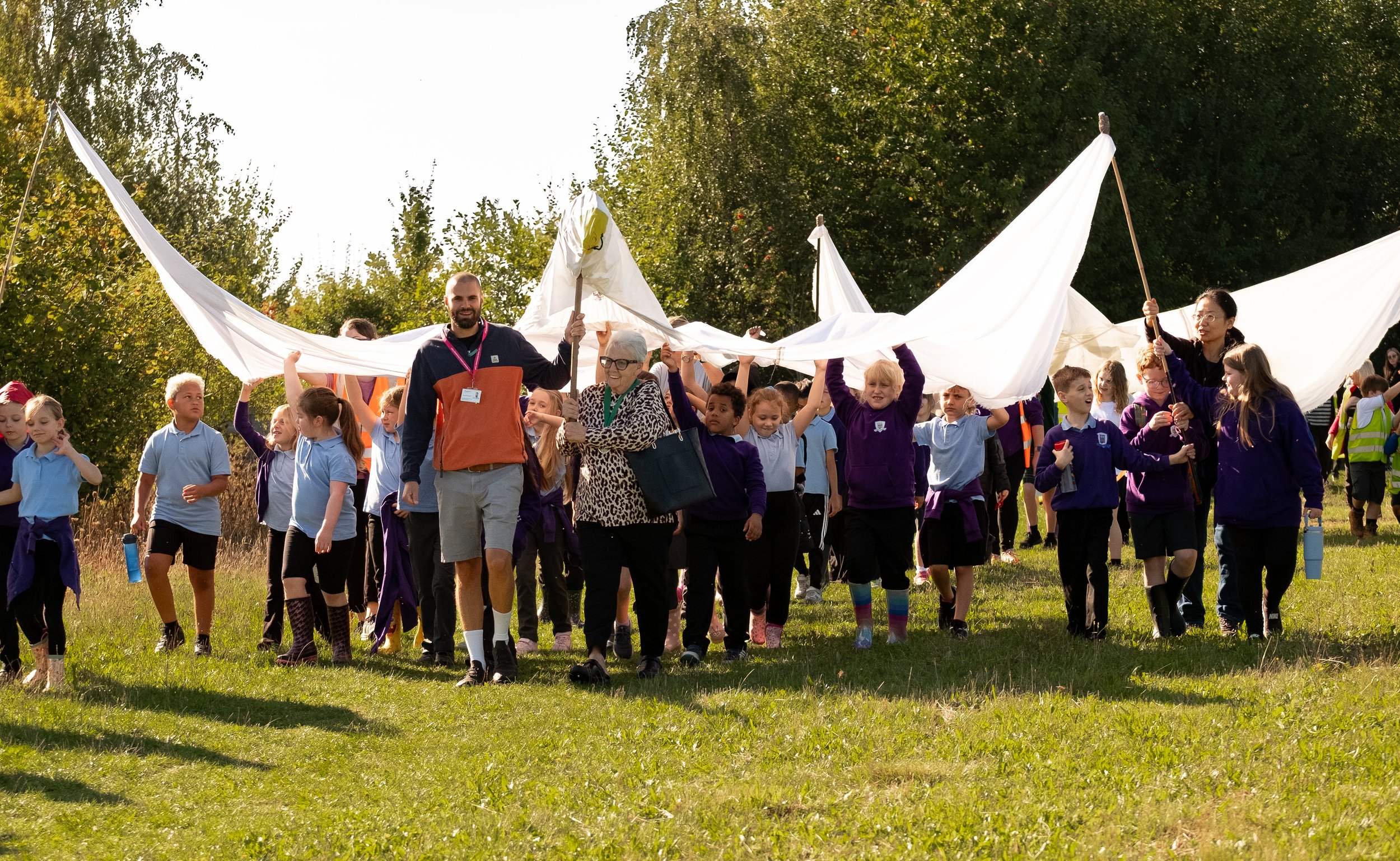
We were also pleased to welcome Hampshire County Councillor David Drew, Councillor Iris Andersen, Deputy Mayor of Test Valley, and a representative from Abel & Cole, Hildon and The National Lottery.
For me, it was another reminder that Harmony Woods is about much more than trees.
It’s somewhere young people can explore wildlife, learn, celebrate, ask questions and come together.
And seeing those doves being carried between trees that were themselves planted by local children felt pretty special. You can read more here https://www.andovertrees.org.uk/news-list/2026/9/24/andover-trees-uniteds-annual-peace-day-procession-unites-four-local-schools
What’s next?
As my summer surveying comes to an end, a different kind of woodland adventure is beginning.
October sees Tree Ents & Skylarks properly getting underway, our nature club for young people aged 12–15 who want to explore, discover wildlife and get hands-on with the natural world.
The next session on 10 October will turn everyone into Risk Detectives, exploring the woods, thinking like ecologists and beginning their journey towards the Junior Forester Award.
Even better, Tree Ents & Skylarks is free for ATU Junior Members to sign up https://www.andovertrees.org.uk/membership-2ndary-nav. For non-members, a seasonal block of six sessions costs £30.
Find out more and book Tree Ents & Skylarks
So although summer is disappearing, there’s no shortage of things to discover.
Next month I’ll be looking out for more fungi, spiders, tracks, feathers and whatever else autumn decides to leave lying around for me to investigate.
Until then, keep looking closely. The woods are changing every day.
And don’t forget to follow Bug Girl on Instagram for more wildlife discoveries, surveys and behind-the-scenes adventures from Harmony Woods.
Bats, Hidden Mice and Summer Discoveries
August
Hello again, Bug Girl is back.
The year in the woods is definitely moving on, and the heatwaves seem to have had an effect. You can see it in the plants, the ground, the ponds and the way some of the wildlife is behaving. It will be really interesting to see whether this shows up clearly in my end-of-year paper, especially when I bring together the survey data and seasonal observations. August has brought a very different set of discoveries, including bats after dark, moth trapping, a tiny mouse guarding its hazelnuts and plenty of life beneath the surface of our ponds.
One of my favourite parts of the internship so far has been teaching other people how to survey. I currently have three amazing survey volunteers, and I’ve been loving helping them build their confidence in the field. Hopefully, some of the skills I’ve passed on will stay with them, and they’ll go on to use them elsewhere too.
That is one of the best things about citizen science. The more people who know how to look, record and ask questions, the more we can understand about the natural world around us.
This summer has been busy. We’ve had storytelling, crafts, pond dipping, woodland exploring, nature discoveries and lots of brilliant questions. There is something really special about watching children arrive full of energy and curiosity, then seeing them slow down, look closer and start noticing what is around them.
For me, these sessions show exactly why places like The Diamond Wood and Harmony Wood matter. They give children space to explore, ask questions and build a relationship with nature in a way that feels fun, creative and a little bit wild.
After-dark discoveries
We also had an impressive turnout for our bat walk, which was such a lovely way to experience the woods after dark. We saw both common pipistrelles and soprano pipistrelles, which was very exciting.
We also set a moth trap and briefly held some of the beautiful moths we found before letting them fly freely back into the night. One of my favourites was the Scarce Purple and Gold moth resting on my nail, which was tiny, delicate and completely gorgeous.
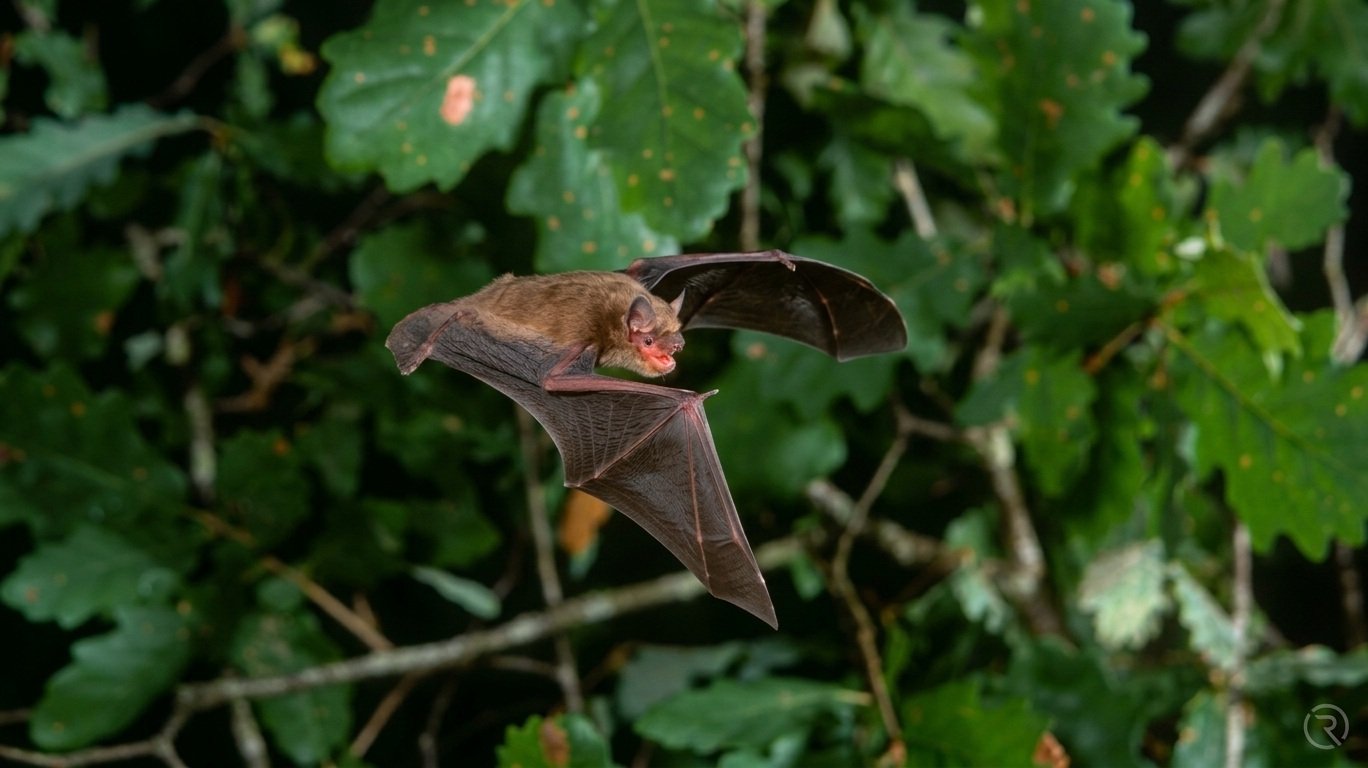
Pipistrelle
What the Trees See: Cyanotype workshop
Our recent Explore the Wild session, What the Trees See, was such fun.
We had a brilliant turnout, actually more than we expected, and the session had a really lovely, relaxed feel. We spent time thinking about the woods, the trees and what it might mean to experience the world from their point of view.
Trees live such long lives compared with us. Slowing down and thinking about that felt like a gentle way into looking more closely at the woodland.
We also explored cyanotype, using handmade cameras to create light images inspired by the shapes, structures and patterns around us. It was great to see people experimenting, observing and being creative in the woods.

A special highlight was meeting Gaia, another bug-loving girlie, who came down from Kew to document the event and take part. She was awesome.
The next session is on 19 September; you can find out more information and sign up here. We are already thinking about improved cameras, better images, take-home camera kits and the beginnings of a public artwork inspired by the woods.
A tiny furry surprise
We also had a very exciting little visitor during one of our transects.
Under one of the reptile tins, we spotted a tiny furry friend storing hazelnuts. It was likely a wood mouse, and yes, it was adorable.
Moments like that remind us the woods are full of lives we only glimpse for a second. One minute you are lifting a tin as part of a survey, and the next you have accidentally discovered someone’s tiny food store.
That is exactly the kind of thing that makes fieldwork so exciting.
Pond dipping discoveries
On the aquatic side, pond dipping has been really popular this month.
It has given us a closer look at some of the life in and around the water, including dragonflies, smooth newt babies, diving beetles, boatmen and lots of larvae.
We also had a chance to look more closely at two dragonfly species: Azure hawker and Southern hawker. Dragonflies are brilliant because they connect the water and the air. They begin life underwater before becoming the fast, glittering adults we see hunting above ponds and woodland edges.
The ponds are such important little worlds. Even when they look quiet from above, there is so much happening underneath.
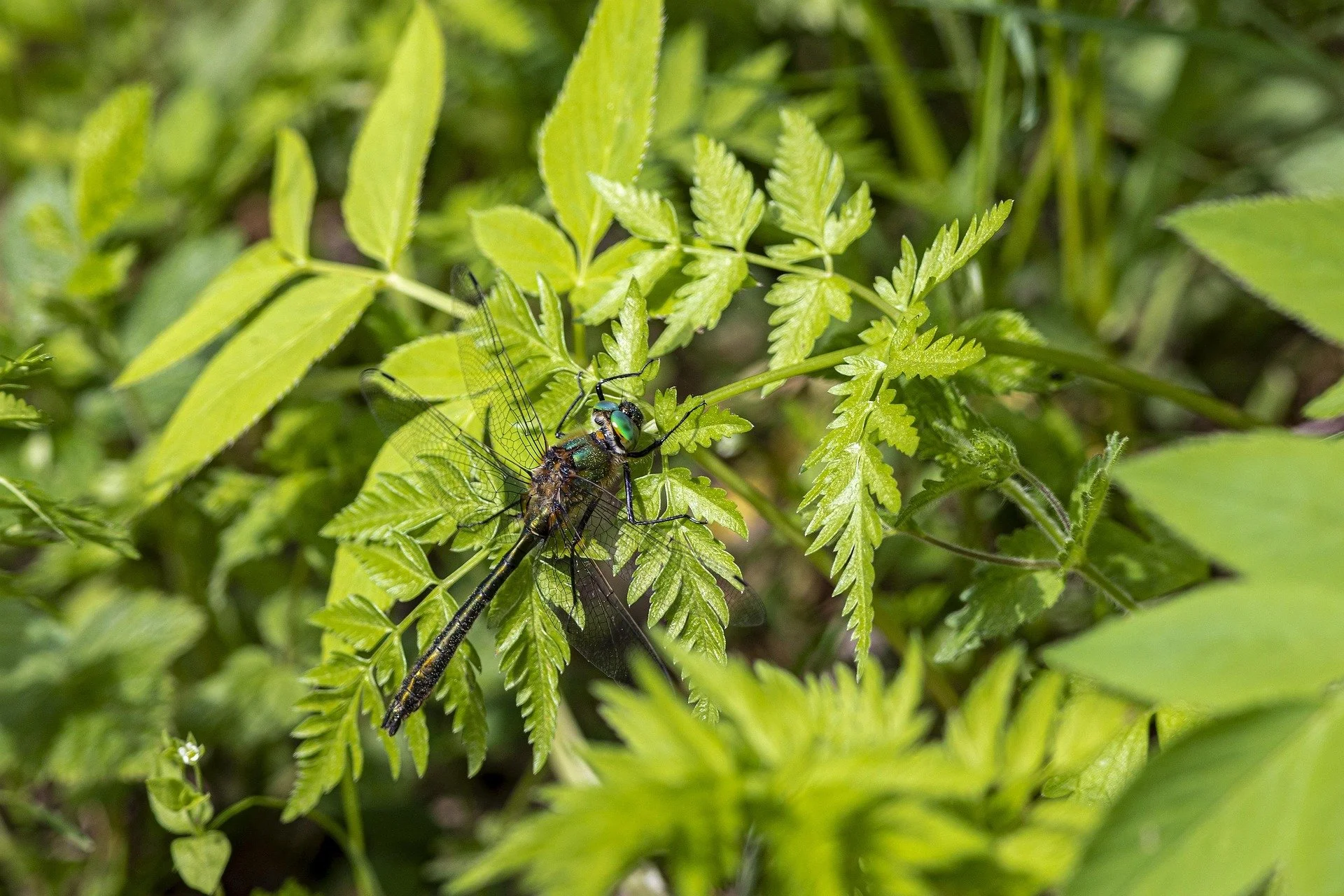
Southern Hawker
What’s next?
If you haven’t joined us yet, the last Four Fun Friday of the summer is this Friday. This week’s theme is In the River: Freshwater Adventures. Join us as we dive into the world of rivers and discover the amazing wildlife that calls our freshwater habitats home. It’s all happening in Andover High Street, and I’d love to see you there.
There will also be more bat walks, BioBlitzes and Cabinets of Curiosity, which sound exactly like the kind of mysterious woodland activities I want to be involved in.
I’ll keep surveying, recording and watching how the woods respond after the hot weather. The year is moving quickly, but there is still so much to discover.
To stay connected, sign up for our monthly newsletter and follow Bug Girl on Instagram for more species stories, behind-the-scenes discoveries and plenty of really cool bugs from Life of Bug Girl: A Year in the Woods: @insecta_dostana.
So keep asking questions and keep looking a little closer.
Kanchi Mehta — Bug Girl
Ecology Intern, Andover Trees United
Seeing nature differently
July
Our Explore the Wild events are designed to encourage that same curiosity, combining ecology, observation and creativity.
The next event, What the Trees See, takes place on 25 July and brings together two of my favourite things: nature and art.
During the workshop, we’ll head out on a slow, guided woodland walk using handmade cyanotype “cameras” to create light images inspired by the natural world around us.
Along the way, we’ll notice the shapes, structures and patterns of native UK plants and wildlife, while thinking about how trees and other living things might experience the environment differently from us.
Back at base, we’ll develop the prints and work together on a collaborative community artwork inspired by the woodland.
I’m delighted that the event has been made possible through a Grow Wild Youth Grant from the Royal Botanic Gardens, Kew.
For me, the project is about slowing down, looking more closely and seeing familiar surroundings from a different perspective.
I would love you to join us on 25 July
Come and explore the woodland with me, create your own cyanotype images and contribute to a collaborative artwork inspired by the nature around us.
Places are limited, so please book your place and come and see The Diamond Wood from a different perspective.
Looking a little closer
You don’t need to travel to a rainforest to discover something interesting. There are mysteries everywhere.
What depends on a single tree? What is happening beneath our feet? Why does one wildflower grow here and not there? What happens when a habitat changes?
These are the questions that make ecology exciting to me.
When we start noticing more, we start caring more. My hope is to help people connect with The Diamond Wood and Harmony Wood, and to encourage them to enjoy these spaces thoughtfully.
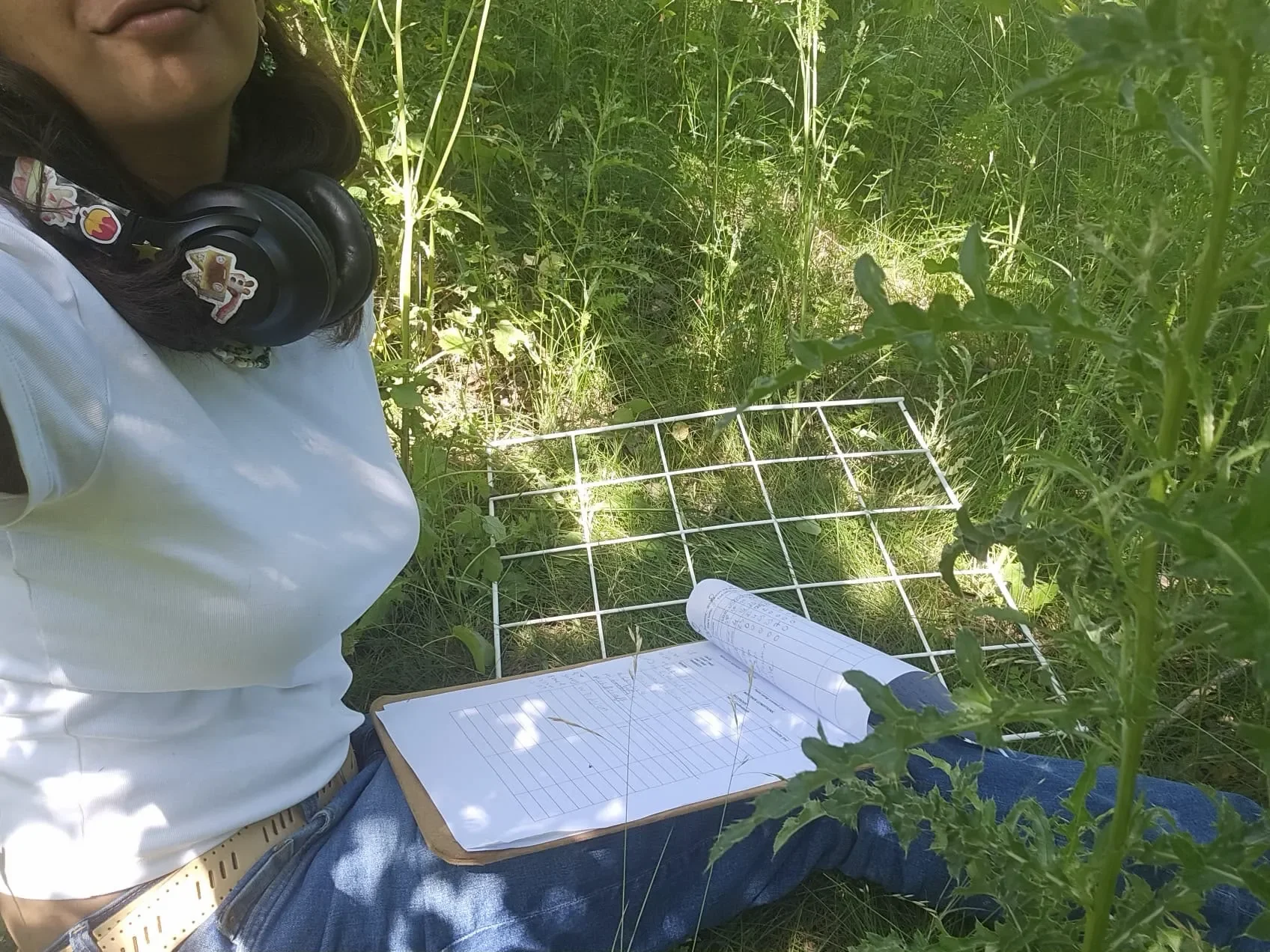
Starting with the BioBlitz
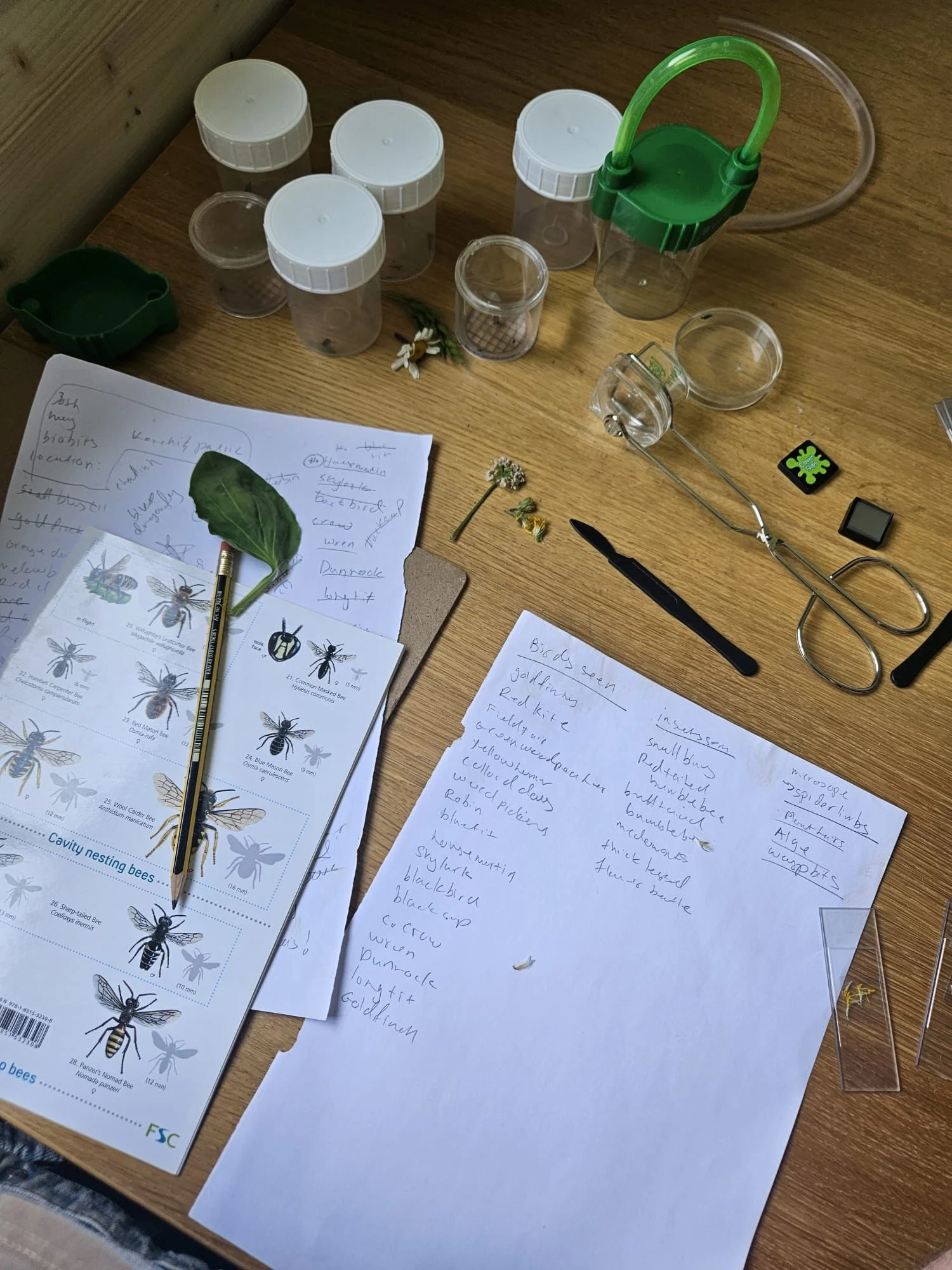
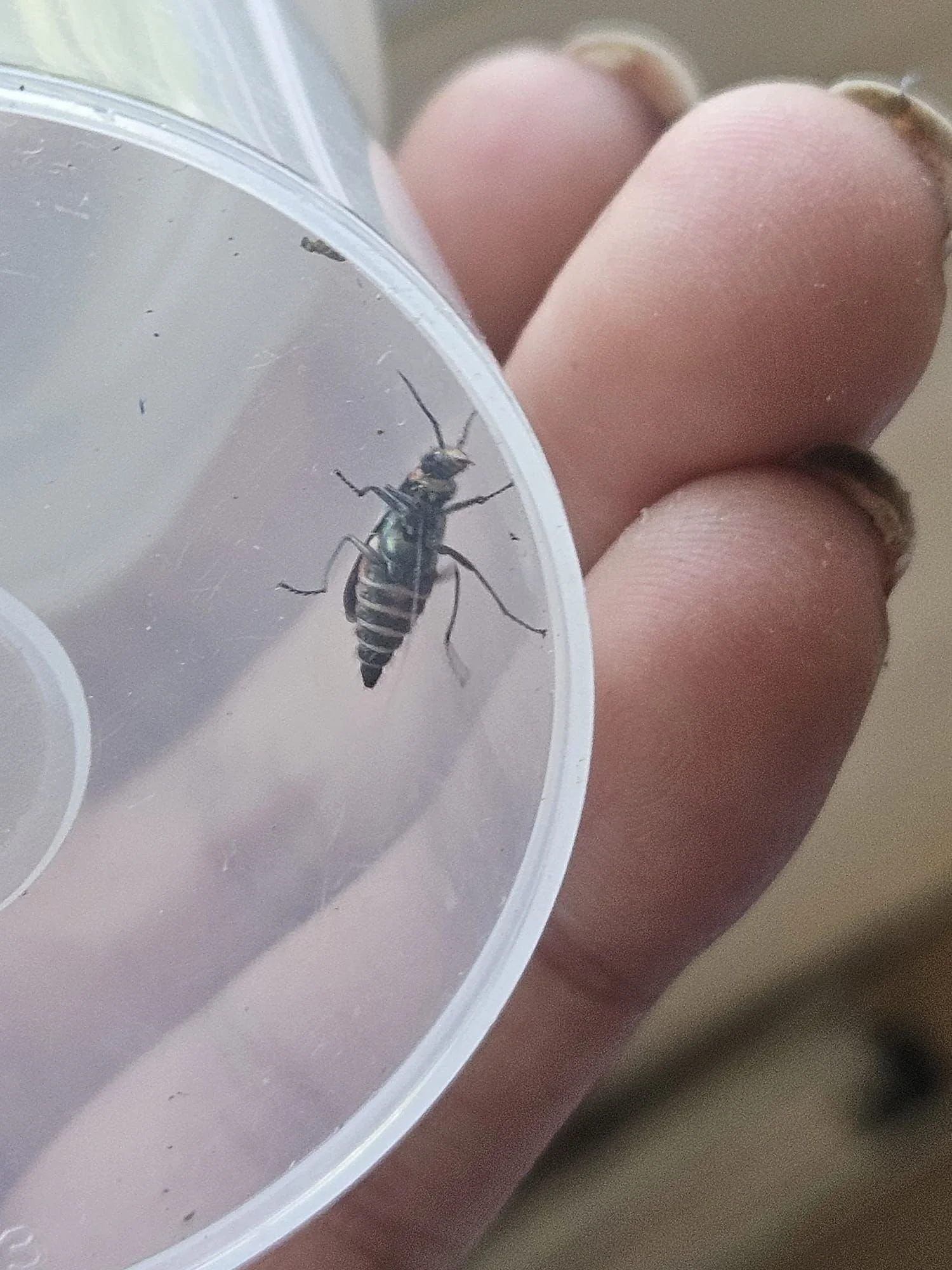
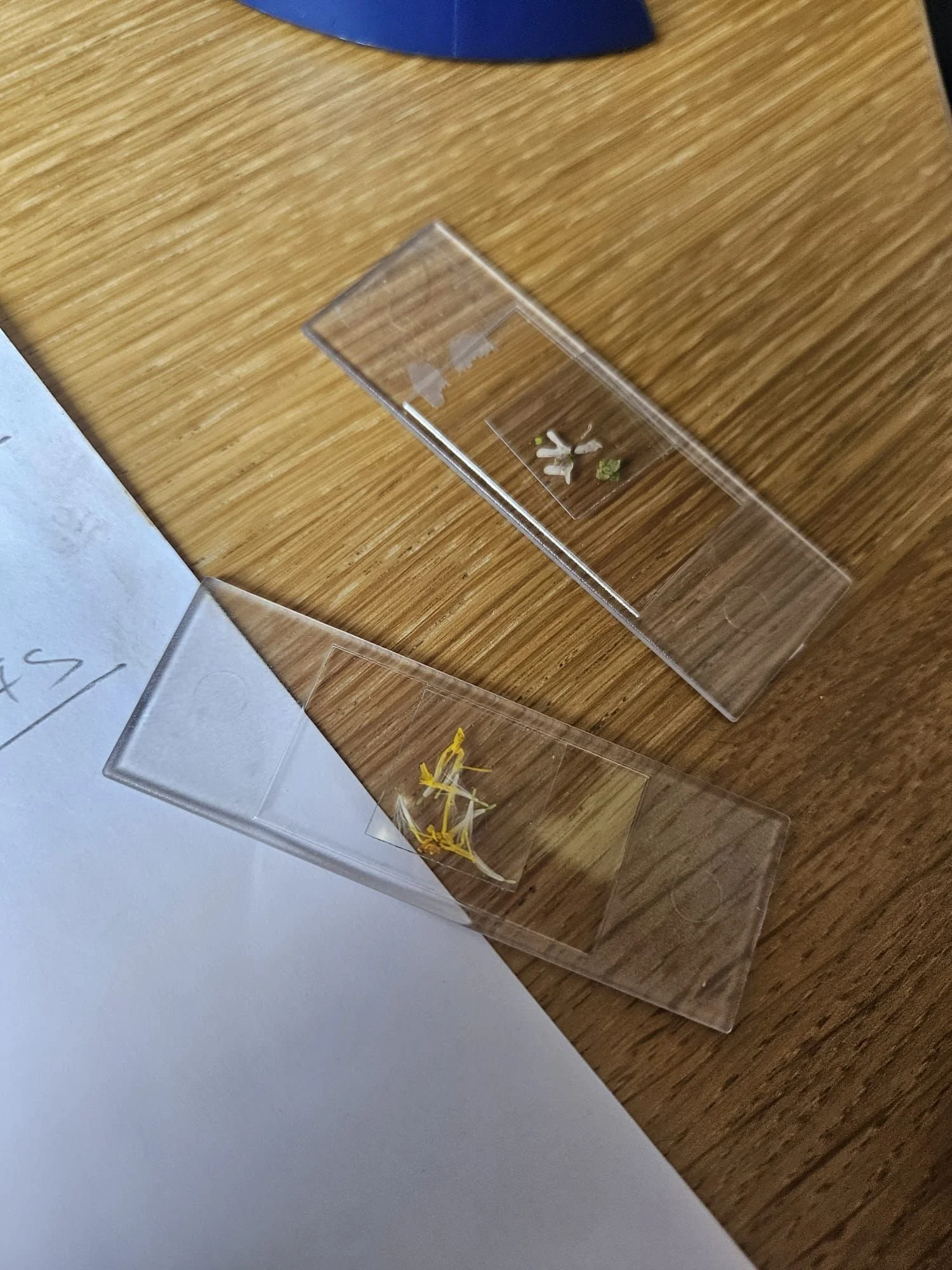
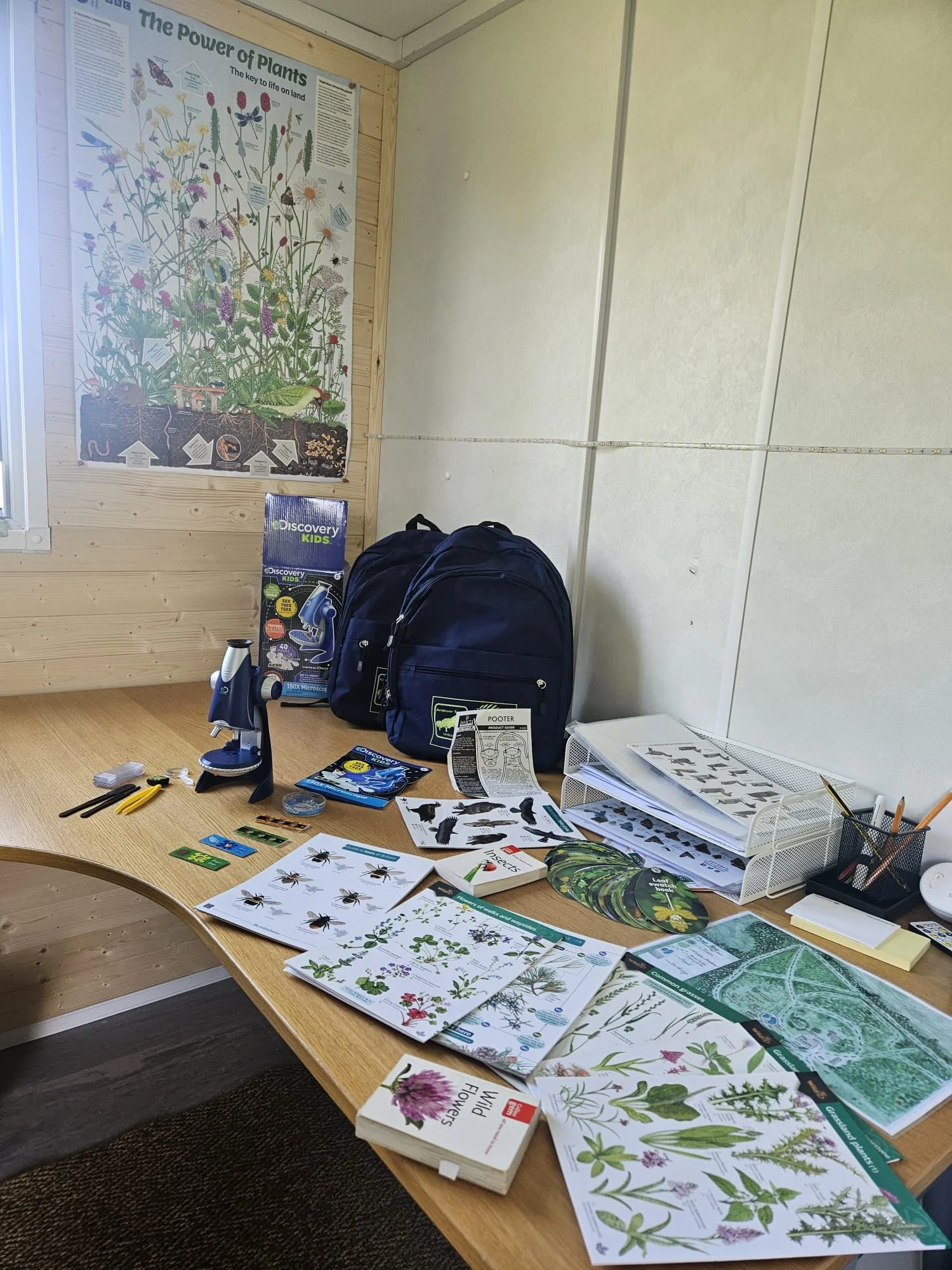
I’ve already had the chance to put some of these ideas into practice by hosting our BioBlitz at The Diamond Wood.
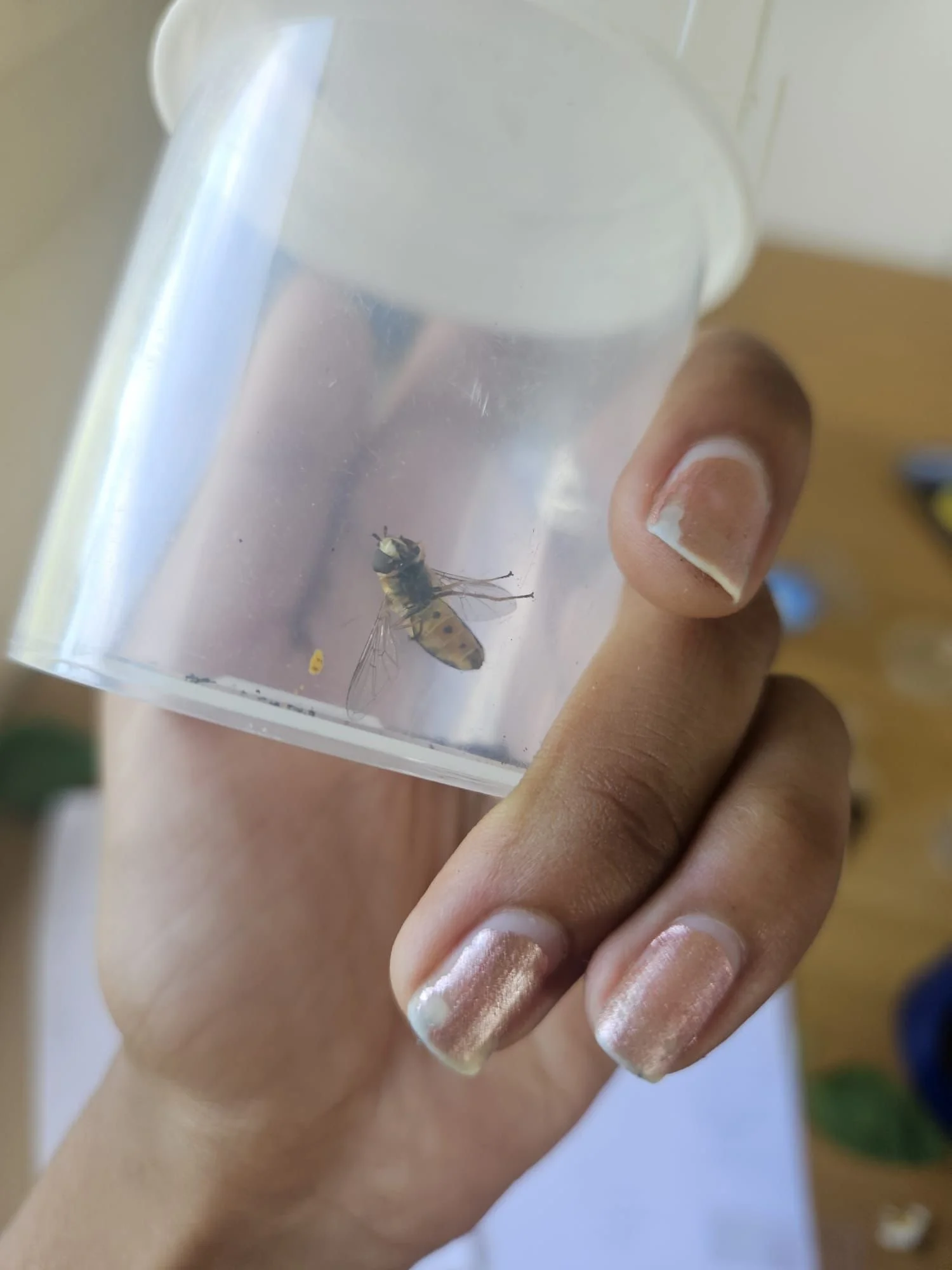
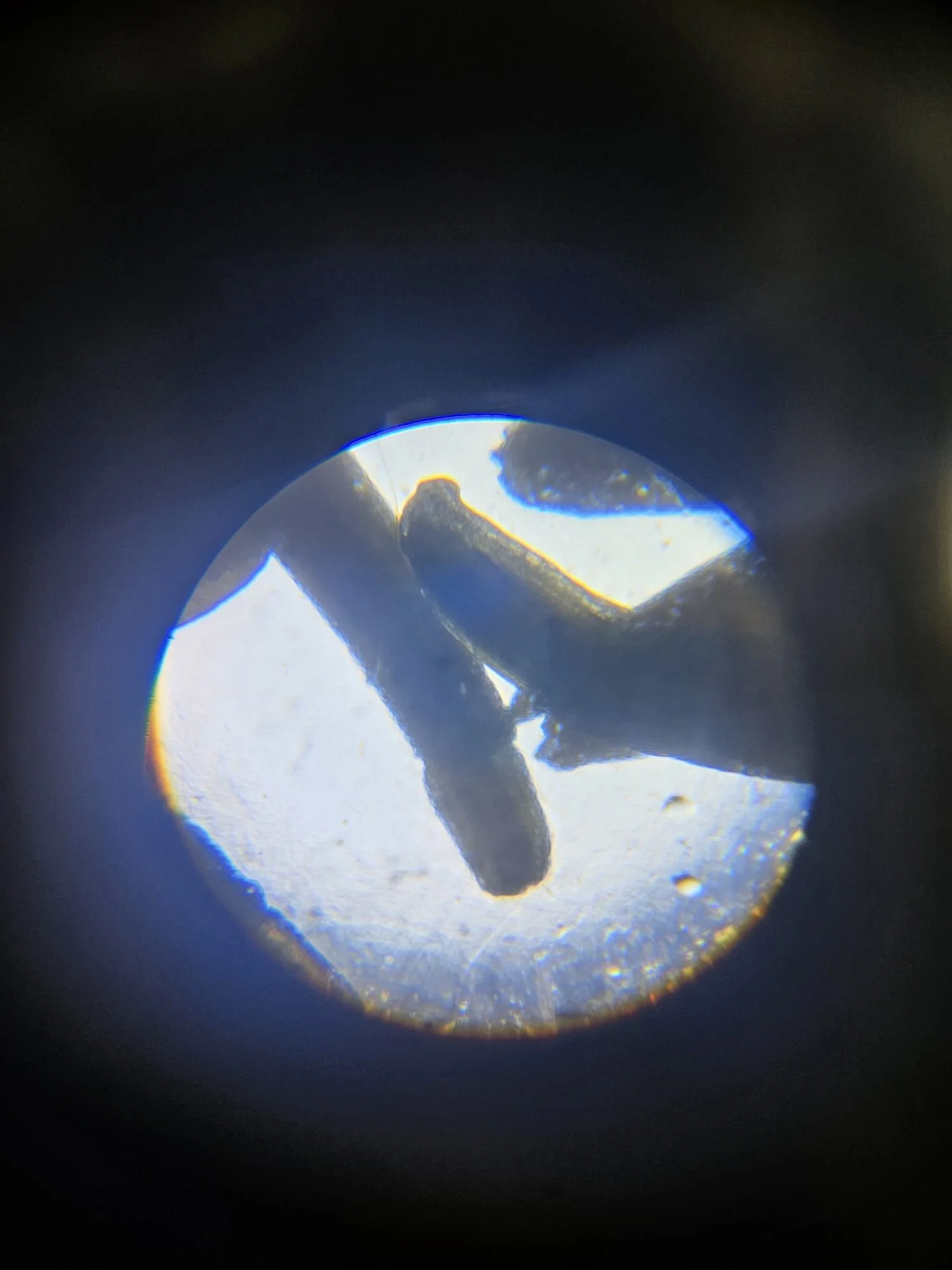
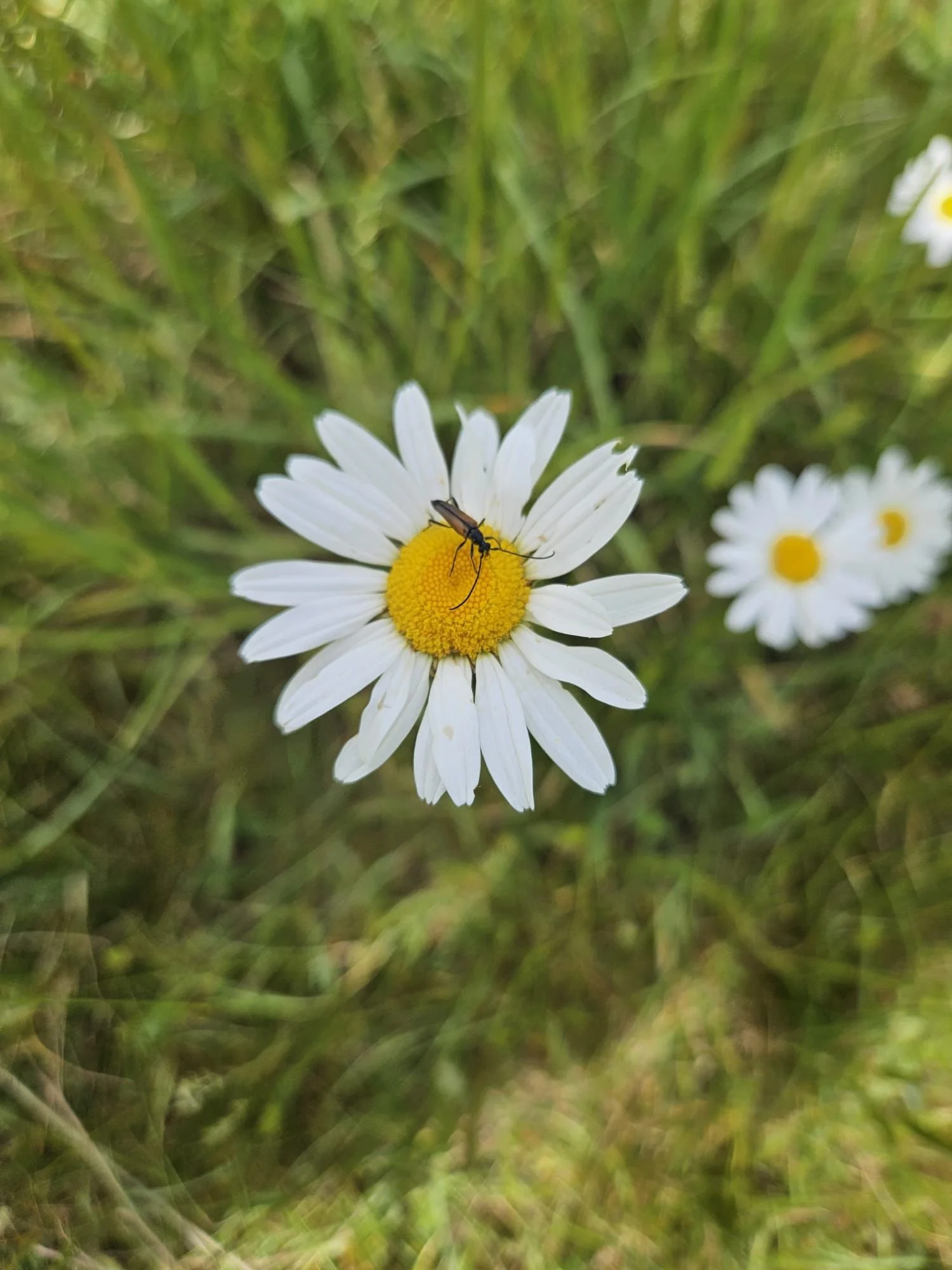
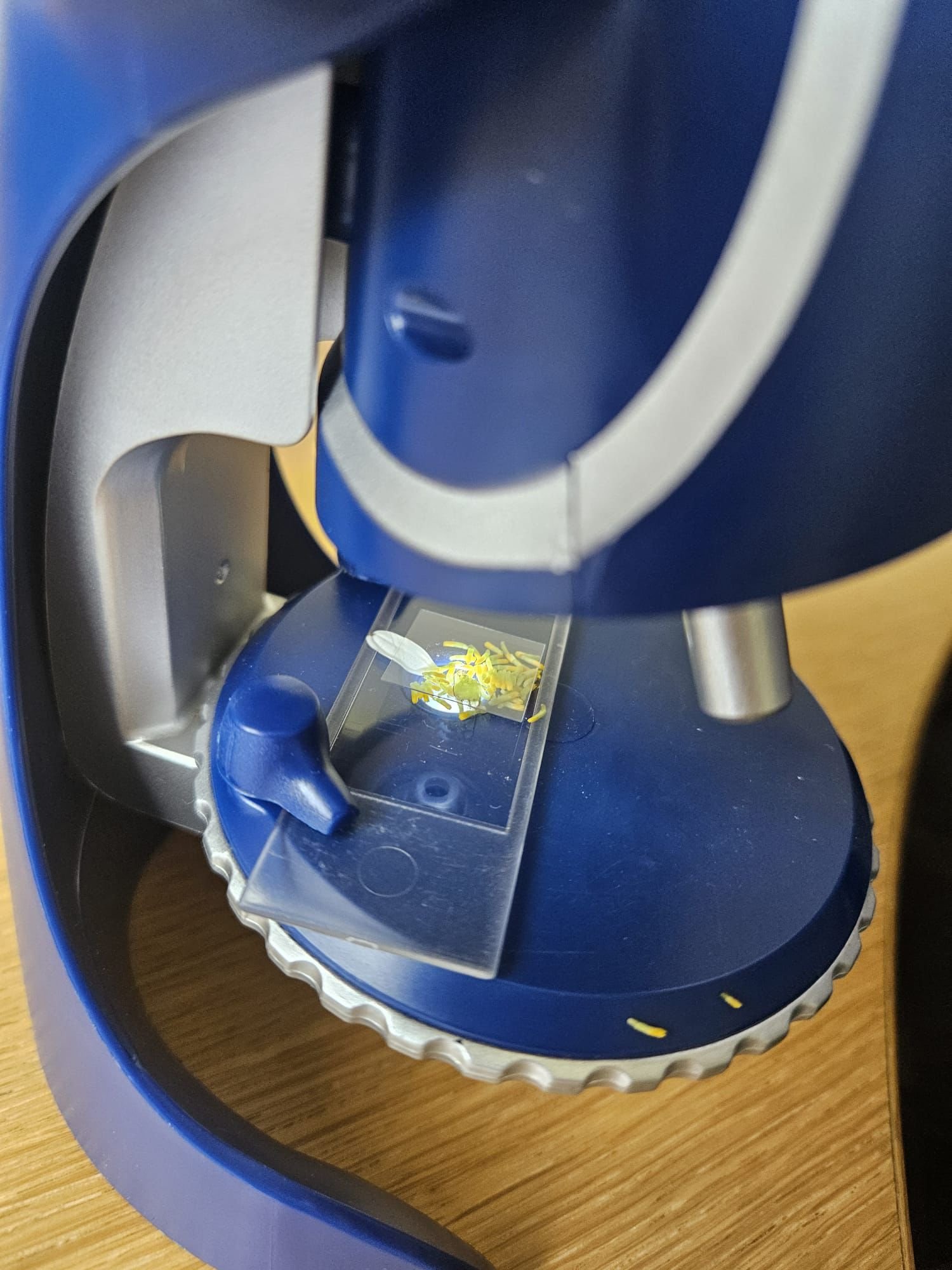
A BioBlitz brings people together to discover and record as much wildlife as possible in a particular place over a set period of time. You don’t have to be a professional ecologist to take part. Curiosity is enough.
By looking, asking questions, taking photographs and trying to identify what we find, we can all contribute to our understanding of the wildlife living in the wood.
I would love to see the BioBlitz become a seasonal event, helping us build a richer picture of how The Diamond Wood changes through spring, summer, autumn and winter.
My year in the woods
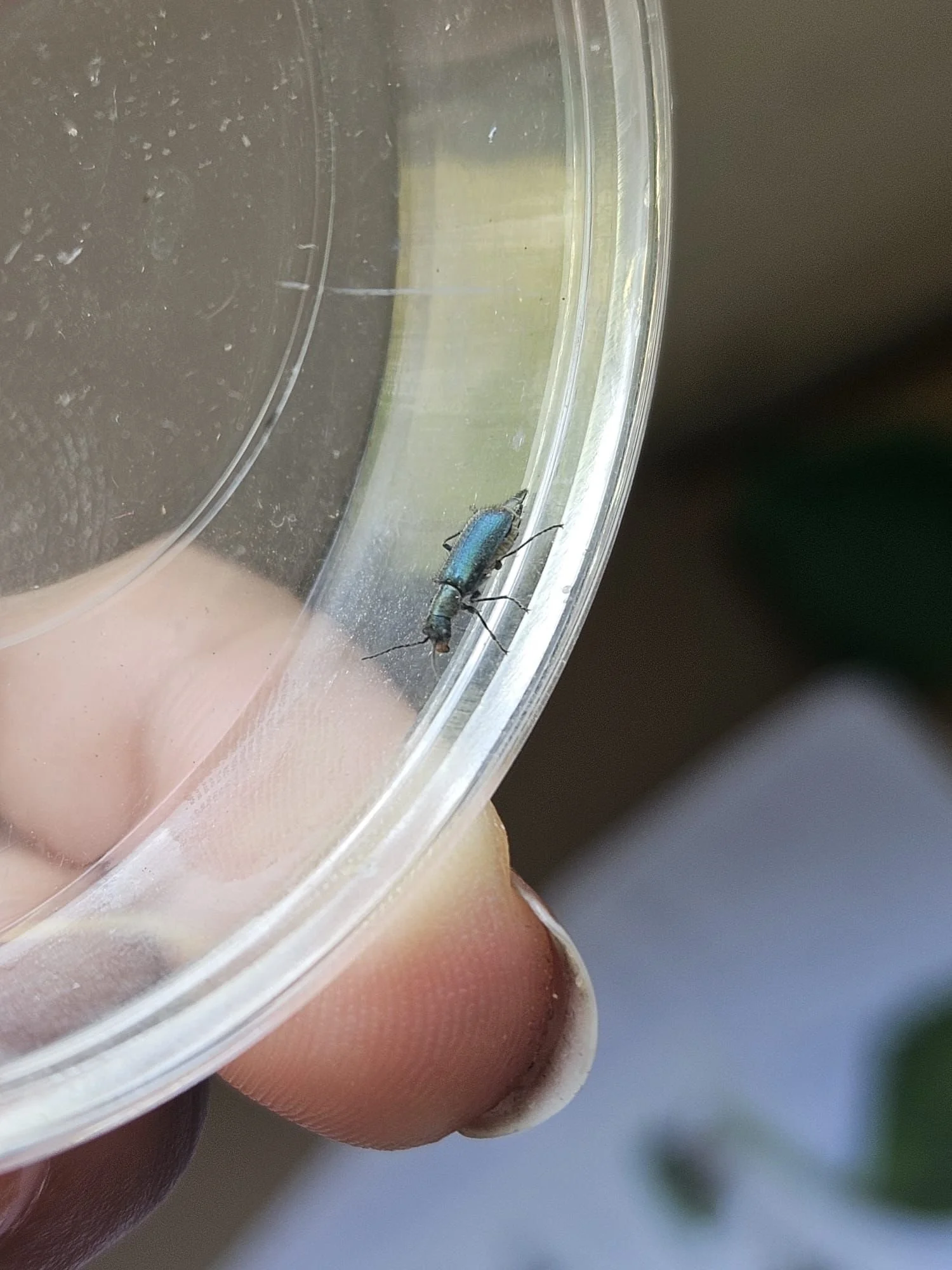
Over the coming year, I’ll be supporting wildlife surveys, recording biodiversity, monitoring habitats and helping people learn more about the species that live here.
You can expect wildflowers, biodiversity, seasonal changes, habitat restoration and, if I have anything to do with it, quite a lot of really cool bugs.
Ecology is about understanding relationships, which means looking at both successes and challenges. I’ll be sharing species stories, seasonal observations, wildflower discoveries, biodiversity updates and simple explanations of the ecology behind what we see.
I’ll also be posting regular updates, short videos and behind-the-scenes discoveries on @andovertreesunited, so please follow along there too.
You don’t need to be an ecologist or know the name of every flower. You just need to be curious.