
Skylark at Harmony Woods, Andover - photograph by Jack Kennie.
THE ENVIRONMENT IS AT THE HEART OF EVERYTHING WE DO
How we enrich nature
We recognise that all living things, plants, animals, people and the landscapes they inhabit, are deeply interconnected. Each depends on the other to survive and thrive. That understanding guides our work every day.
We carefully consider the impact of our actions, whether through the creation and stewardship of thriving wild spaces, or through educating and empowering our local schools and community to engage with environmental issues in meaningful ways.
ANDOVER TREES AimS To:
Increase biodiversity - read about why that’s important here
Offset carbon emissions
Sustainably manage woodland
Create and protect wild spaces
Educate the public about conservation
Provide opportunities to explore wider environmental issues such as;
sustainability
climate change
ecology
and the vital role trees play in mitigating environmental challenges.
COMMITMENT IN ACTION
As of March 2026, we have planted 20,000 British native trees across a number of sites, the majority being in Harmony Woods. This planting includes 34 different species of British native trees, carefully selected to support long-term ecological balance and creating a strong foundation for resilient and diverse woodland. In addition, 35 species of wildflowers have been introduced since the first seed sowing in May 2013, enriching the landscape and providing vital food sources for pollinators and other wildlife.
We have undertaken specialist planting to support key Lepidoptera species, helping to strengthen local butterfly and moth populations. A population of the Small Blue is becoming established thanks to continued planting of its food source plant, Kidney Vetch. The Nature in Harmony wildlife monitoring project has been established to track biodiversity and guide future management decisions, ensuring the woodland continues to thrive.
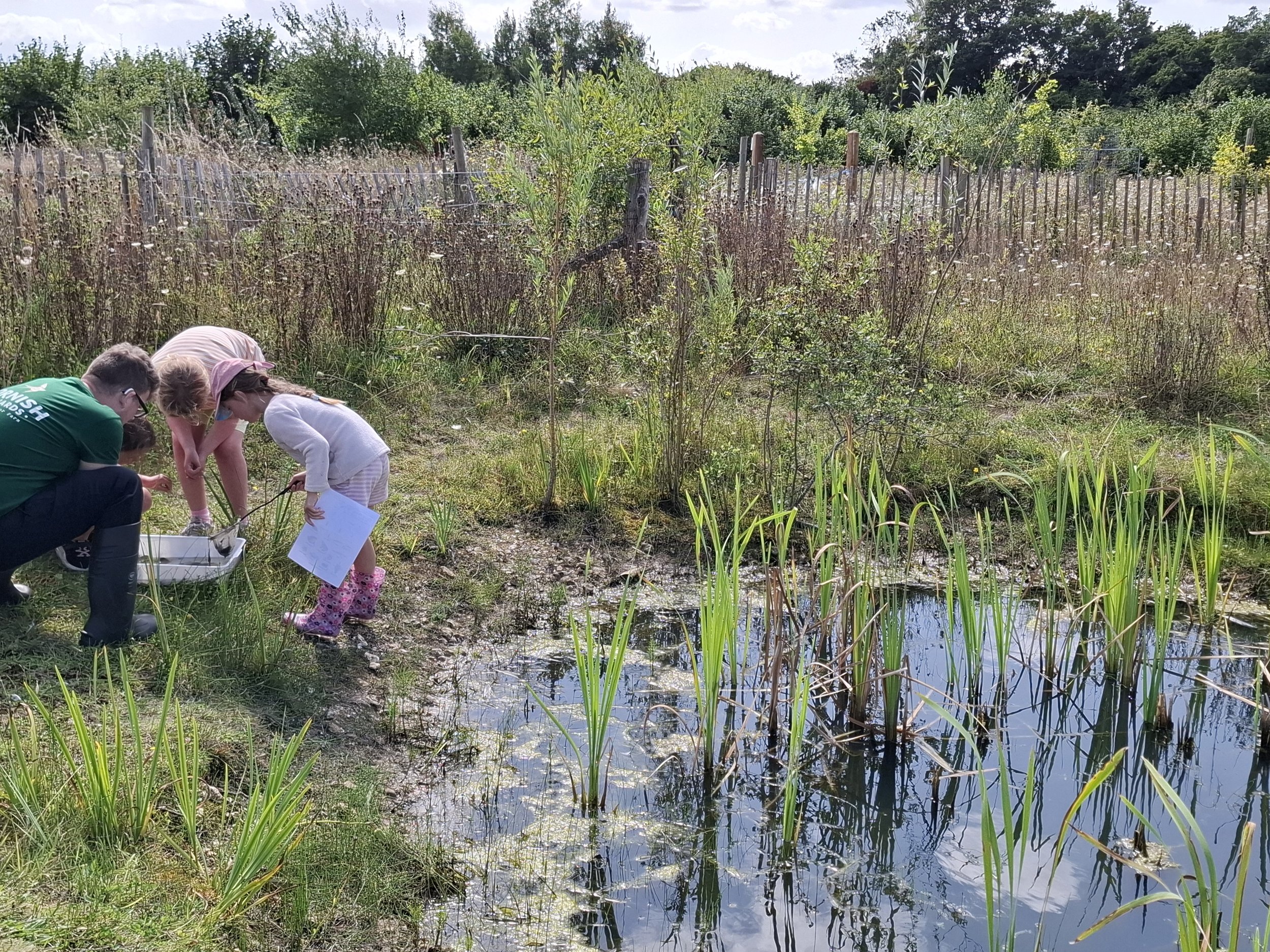
A butterfly transect has been registered with Butterfly Conservation, allowing us to formally monitor changes in butterfly populations over time. Meanwhile, a wildlife pond is becoming well established, increasing aquatic plant life and invertebrate diversity and adding another valuable habitat to the site.
The development of a new Habitats Trail during 2021–22 has created a dedicated learning-in-nature space, encouraging exploration and environmental education. We have also provided habitats for a wide range of bird species, including red-listed Skylarks, helping to safeguard species of conservation concern.
Thriving Habitats
Enhanced and improved habitats for locally occurring and at-risk plant and animal species, including key species of chalk downland wildflowers.
A landscape connected through green corridors to neighbouring woodland, strengthening biodiversity and wildlife movement.
A mosaic of diverse habitats including woodland, coppice, hedgerow, pond, flower meadow, short-cut grassland, long grass areas and growing beds.
Sustainable Stewardship
Carefully and sustainably managed through a structured monitoring programme and regular site surveys.
The long process of organising signage (design, funding, installation) is coming to an end, which will soon see the site interpreted and explained to visitors, sharing how the land has evolved and celebrating its local history and heritage.
Contributing to greater knowledge and understanding of the importance of the natural world for both present and future generations.
A Living Learning Landscape
A base for environmental education, volunteering, and practical training in conservation and habitat management.
Supported by linked sites, creating wider opportunities for learning and engagement.
Together, these actions reflect our long-term commitment to enhancing biodiversity and creating a woodland that supports both wildlife and people.