A rare landscape waiting to bloom at Harmony Woods Andover
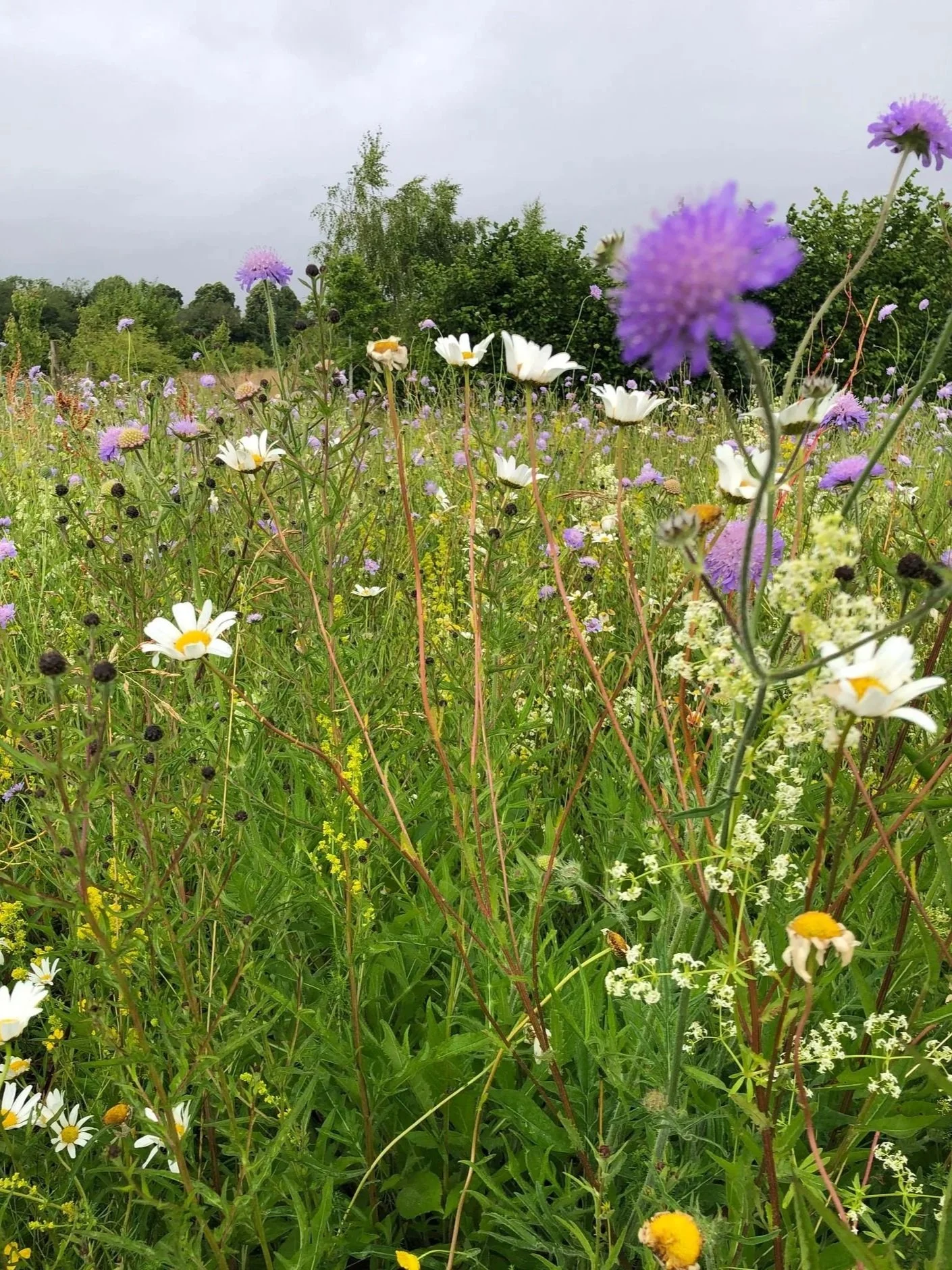
Disappearing Wildflowers

ABOUT THE PROJECT
Walk through the Diamond Wood today and it may seem like any other stretch of countryside. But beneath your feet lies the story of a landscape that once shimmered with wildflowers, hummed with insects, and danced with butterflies. Andover Trees United is working to bring that story back to life.
What Was Lost
Lowland calcareous grassland is one of Britain’s richest and most beautiful habitats. Growing on thin chalk soils, it once spread widely across southern England - a patchwork of orchids, thyme, knapweed and scabious alive with colour and movement.
But in the space of just fifty years, 97% of it disappeared. Intensive farming, ploughing and development reshaped the land. What had taken centuries to evolve was erased within a generation.
Today, only fragments remain - small, isolated pockets often hidden, overgrown, and vulnerable. In Hampshire, around 2,404 hectares survive, but much of it is struggling without careful management or lasting protection.
Blogs: Wildflowers and Respect the Wild


Why they Matter
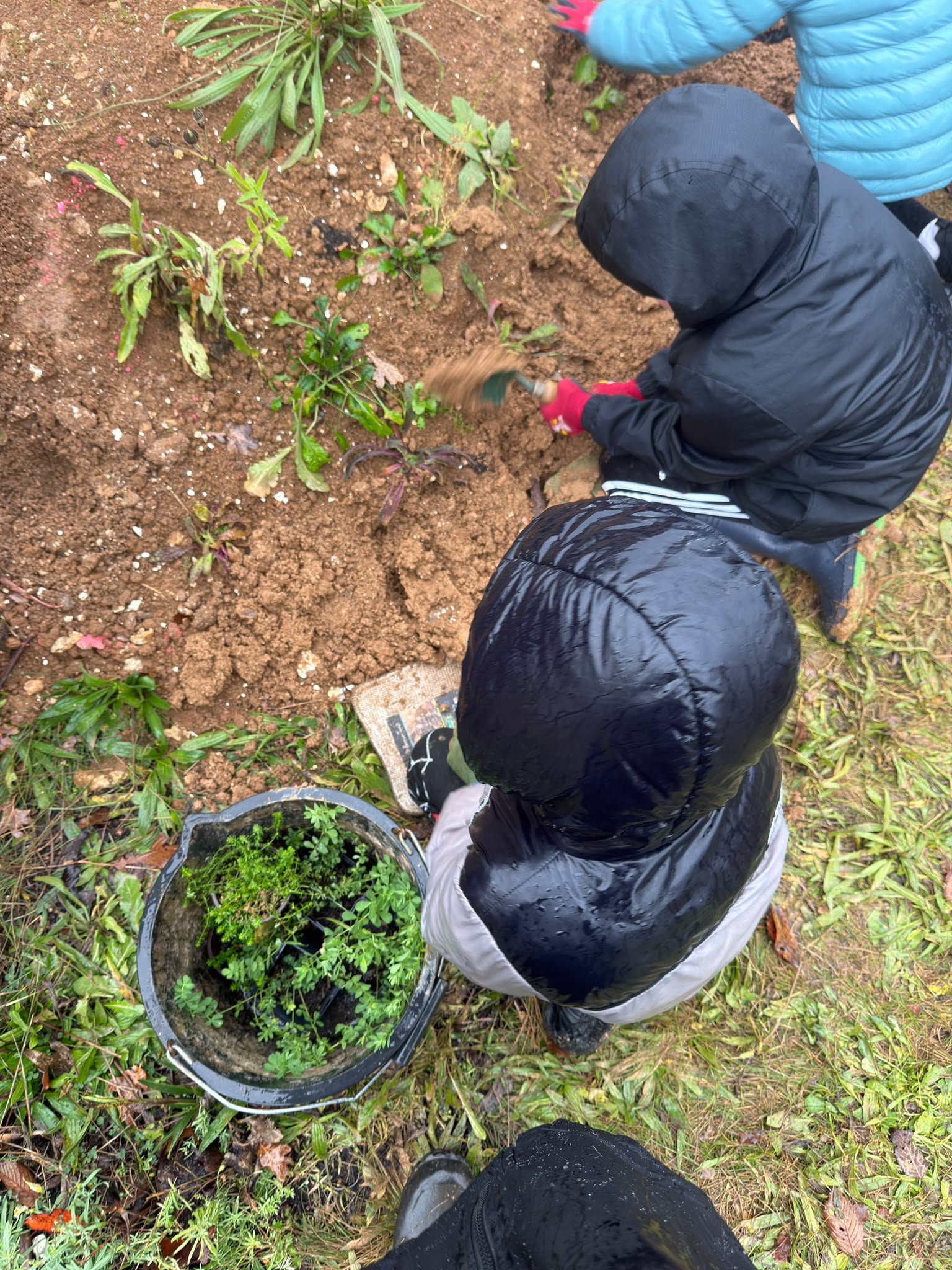
This isn’t just about flowers - these chalk grasslands support around 60% of the UK’s butterfly species.
They provide vital habitat for bees, birds, and small mammals. Their soils quietly store carbon and they hold centuries of human history - landscapes walked, farmed, and cherished long before us.
When we lose grassland, we don’t just lose plants. We lose colour. Sound. Movement. Memory.
A NEW CHAPTER
We are working to reverse this loss by restoring flower-rich chalk grassland within Harmony Woods and the Diamond Wood. Our plans include:
Re-establishing native wildflowers and grasses
Improving habitat connectivity
Managing scrub encroachment
Supporting pollinators and other priority species
Engaging the local community in hands-on conservation
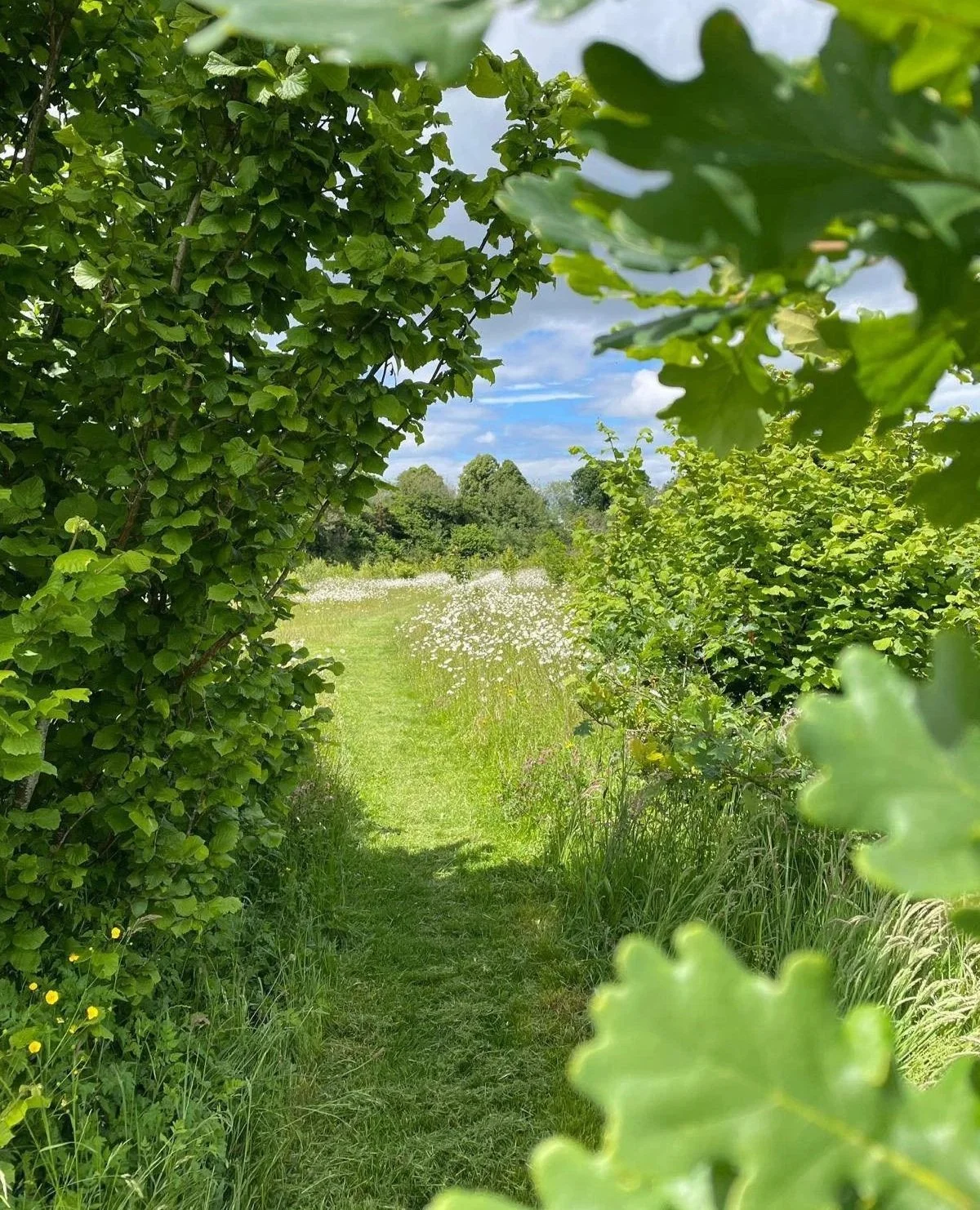
Local volunteers, families, and young people are joining the effort - learning the rhythms of the land, understanding what makes it special, and becoming its future guardians.
Because landscapes don’t recover on their own. They recover when communities care enough to act. By combining ecological restoration with community participation, we aim to create a thriving landscape that benefits both wildlife and people.
Imagine What’s Possible
Butterflies lifting from clusters of wild thyme. Bees moving between orchids. Children recognising the names of plants they helped protect.
This is more than conservation. It’s renewal of habitat, of heritage and of connection between people and place.
With patience, stewardship, and community spirit, this special landscape can bloom again.
And when it does, it won’t just be wildlife that thrives, it will be all of us.
GET INVOLVED
Help the Wildflowers Bloom again IN one of Britain’s rarest habitats - it’s right here on our doorstep ANDOVER!
By getting involved you can play a direct role in restoring wildlife, protecting butterflies, and safeguarding a landscape shaped by centuries of history.